Relays are essential components in electrical and electronic circuits, acting as switches that open or close under the control of an external signal. Their versatility and reliability make them crucial in various applications, from simple control circuits to complex automated systems. To ensure that relays perform optimally, it is crucial to understand their key parameters. These parameters define the relay’s functionality, reliability, and compatibility with different applications. In this article, we will explore the essential relay parameters that determine their operation and selection.
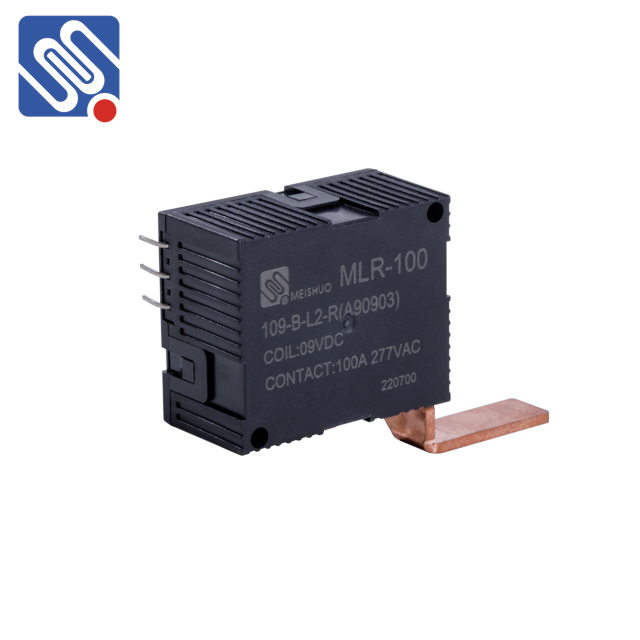
1. Rated Voltage The rated voltage, also known as the coil voltage, is one of the most fundamental parameters of a relay. It refers to the voltage that must be applied across the relay’s coil for it to function correctly. Relays are available in a range of rated voltages, including 12V, 24V, 48V, 110V, and 220V, with both AC and DC versions available. It’s essential to choose a relay with a rated voltage that matches the control voltage of your circuit. A mismatch could lead to improper operation, overheating, or damage to the relay. 2. Pickup Voltage and Dropout Voltage Two other critical parameters related to the voltage behavior of relays are the pickup voltage and dropout voltage.