In the realm of water treatment systems, efficiency and precision are paramount. A critical component that significantly enhances these features is the solenoid valve. Water treatment system solenoid valves serve as integral elements in the automation and control of fluid dynamics, playing a vital role in ensuring safe and effective water management practices. This article delves into the function, working principles, applications, advantages, and maintenance strategies relating to solenoid valves within water treatment systems.
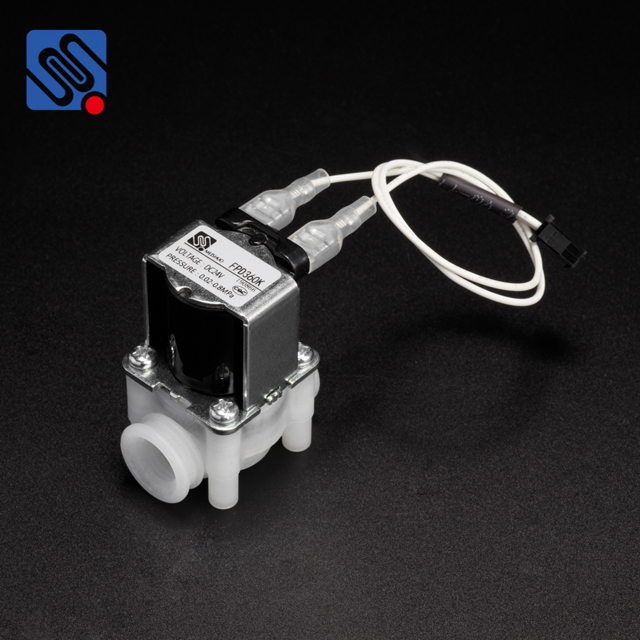
Function and Working Principles A solenoid valve is electromechanically operated and consists of a coil, a movable armature, and a valve body with inlet and outlet ports. The valve operates by converting electrical energy into mechanical movement, allowing for the quick opening and closing of the valve in response to electrical signals. When voltage is applied to the coil, an electromagnetic field is generated, attracting the armature that opens or closes the valve. This rapid response rate makes solenoid valves ideal for managing water flow in treatment processes where timing and precision are critical.