In industries where heavy machinery and complex equipment are involved, the risks associated with maintenance and repair work can be deadly. Lockout/Tagout (LOTO) safety procedures are essential in preventing accidents that occur when workers interact with machinery that has the potential to start unexpectedly or release hazardous energy. The goal of LOTO safety is to ensure that energy sources are properly controlled and equipment is kept in a safe state during maintenance activities. This practice is not just a regulatory requirement; it’s a key element in protecting the health and safety of workers.
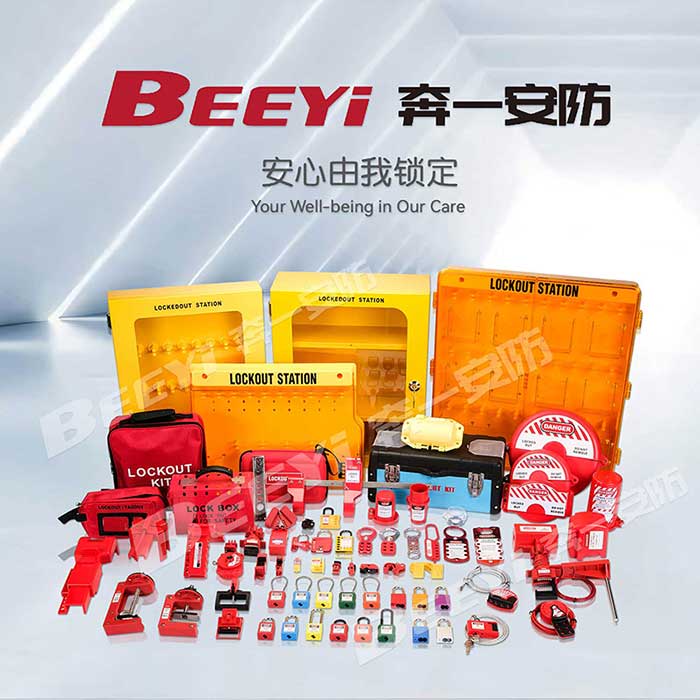
Understanding LOTO Safety The term “LOTO” stands for Lockout/Tagout, referring to the methods used to control hazardous energy during the servicing of equipment. Lockout involves physically locking a device to prevent it from being operated, while Tagout uses warning labels or tags to communicate that equipment is in a locked-out state and should not be used. The combination of these two techniques ensures that equipment is safely isolated from all energy sources, including electrical, mechanical, hydraulic, and pneumatic systems. The Importance of LOTO Safety Every year, hundreds of workers are injured or even killed because of accidents involving the unexpected release of hazardous energy from machines. These incidents can occur during routine maintenance activities such as repairs, cleaning, or adjustments. Without LOTO procedures, workers may inadvertently activate a machine or equipment, which could lead to severe injuries or fatalities.