In any industrial or hazardous workplace, ensuring the safety of workers is of paramount importance. One of the essential tools used to prevent accidents and injuries during maintenance or repair activities is the safety padlock. Safety padlocks, often a critical component of the lockout/tagout (LOTO) procedure, are designed to lock machinery or equipment in a de-energized state to prevent the accidental release of hazardous energy. In this article, we will explore the significance of safety padlocks, their design, uses, and how they contribute to a safer work environment.
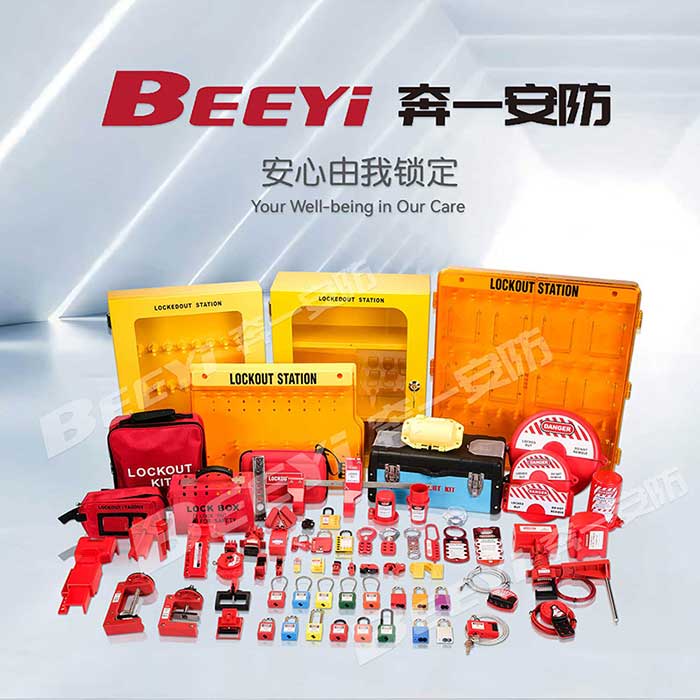
What Is a Safety Padlock? A safety padlock is a lock used to secure energy-isolating devices such as electrical switches, valve handles, or mechanical levers during maintenance. The padlock is applied to ensure that equipment remains in a safe condition, preventing it from being accidentally turned back on or released while workers are servicing it. The use of safety padlocks is a fundamental part of the Lockout/Tagout (LOTO) procedure, which is designed to protect workers from hazardous energy sources while they are working on or near machinery. Key Features of Safety Padlocks Unique Key System: Safety padlocks typically have a unique key, which ensures that only authorized personnel can unlock them. This is crucial in preventing unauthorized access and ensuring that no one else accidentally re-energizes the equipment while maintenance is still underway.