A Plastic Solenoid Valve is an essential component in various fluid control systems, offering a cost-effective and lightweight solution to control the flow of liquids and gases. These valves are widely used in a range of industries due to their numerous advantages, including corrosion resistance, lightweight design, and ease of automation. In this article, we will explore the key features, working principle, applications, and pros and cons of plastic solenoid valves to better understand their importance in modern fluid handling systems.
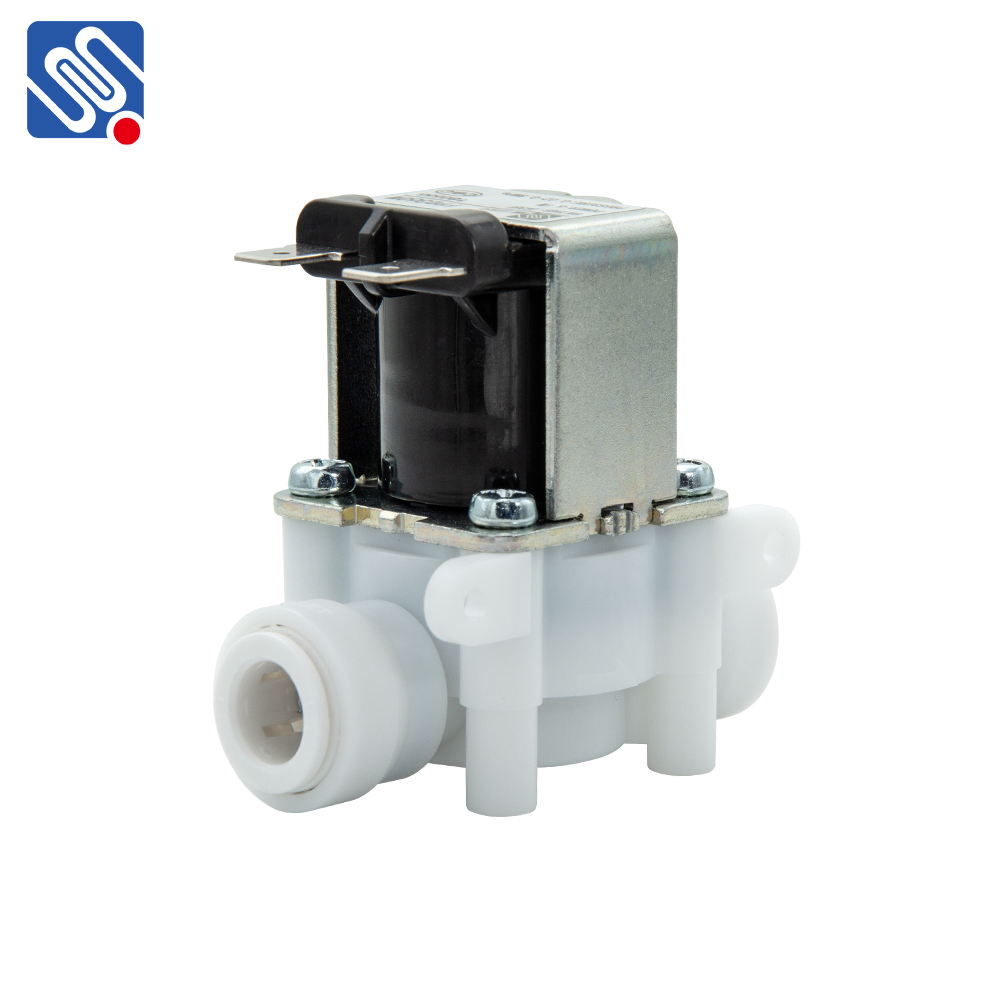
What is a Plastic Solenoid Valve? A plastic solenoid valve operates similarly to its metal counterpart, with the main difference being the use of plastic materials for the valve body and components. Solenoid valves use an electromagnetic coil to control the movement of a plunger or diaphragm, which, in turn, opens or closes the valve to regulate the flow of fluid. The solenoid coil is energized by an electric current, which generates a magnetic field, causing the valve to either open or close depending on the design of the valve. Plastic solenoid valves are typically made from materials like polypropylene (PP), polyvinyl chloride (PVC), or polyetheretherketone (PEEK), making them resistant to a wide range of chemicals and corrosive substances. The ability to handle corrosive fluids without the risk of rusting or degrading is one of the key advantages of plastic solenoid valves over metal ones.