In industries where workers are exposed to heavy machinery, complex systems, or hazardous energy sources, safety is of utmost importance. One of the most crucial safety measures in these environments is the Lockout/Tagout (LOTO) device. The LOTO system is designed to protect workers from the dangers of accidental machine start-ups, electrical shock, or the release of hazardous energy while performing maintenance or repair activities. This article will explore the significance of the LOTO device, how it works, and why it is essential in industrial safety protocols.
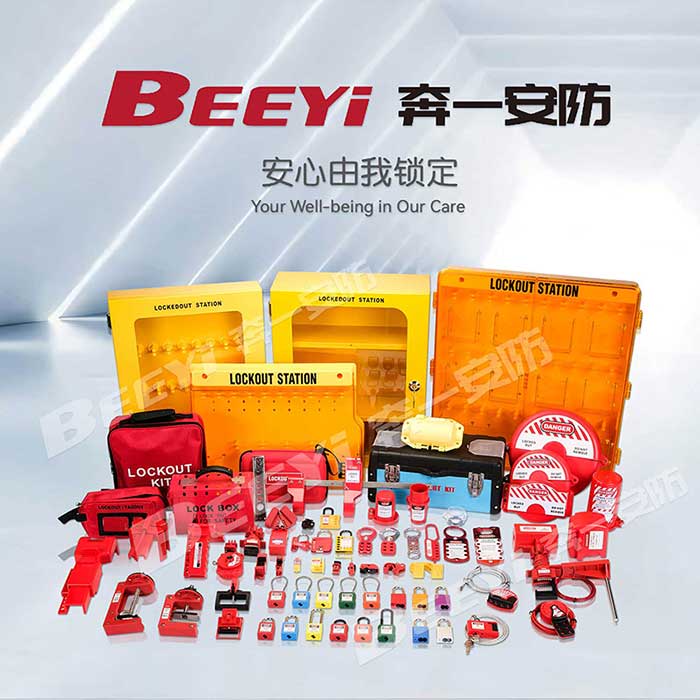
What is a LOTO Device? LOTO stands for Lockout/Tagout, referring to the procedures used to control hazardous energy during servicing or maintenance of machinery. The primary purpose of a LOTO device is to ensure that machinery and equipment are completely isolated from their energy sources (such as electricity, hydraulic pressure, steam, etc.) and cannot be accidentally turned on or operated while workers are performing their tasks. A LOTO device typically consists of a physical lock and a tag. The lock is used to prevent any energy source from being activated, while the tag provides visual warnings that indicate the machine is under maintenance and should not be operated. Other LOTO devices include valve lockouts, electrical plug lockouts, and circuit breaker lockouts, each serving to isolate different types of energy.