Lock out padlocks are critical components in industrial safety, serving as an essential tool in the Lockout/Tagout (LOTO) procedure, which is designed to protect workers from hazardous energy during maintenance and servicing of machinery. These padlocks, when used properly, ensure that equipment is safely de-energized and prevents unauthorized operation, ultimately safeguarding personnel from injuries. This article explores the role of lock out padlocks in the Lockout/Tagout system, their features, applications, and the standards that govern their use.
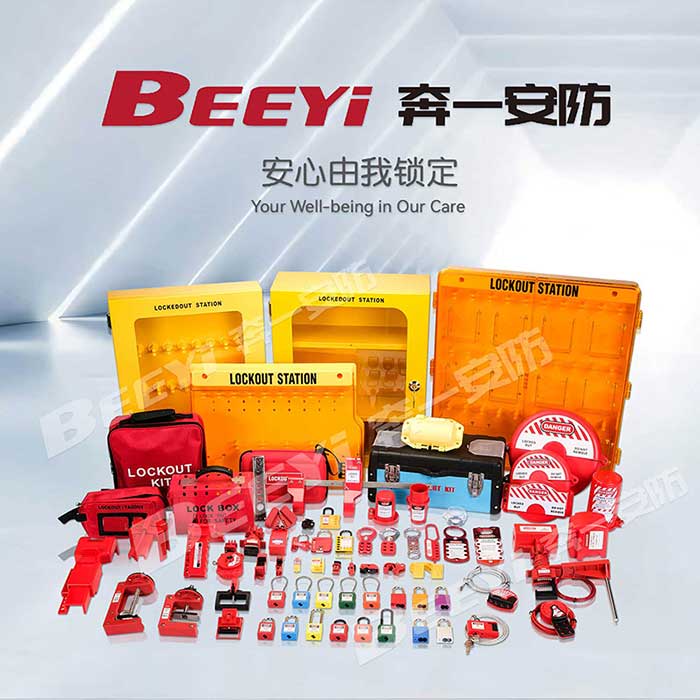
Understanding Lock Out Padlocks and Their Purpose A lock out padlock is a security lock used to physically prevent the activation of machinery and equipment during maintenance or repair. The padlock is part of a broader safety system known as Lockout/Tagout (LOTO), which involves locking off equipment to prevent the release of hazardous energy while workers are conducting their tasks. The LOTO process ensures that no one can inadvertently start up the machinery or equipment, providing workers with the peace of mind to perform their duties without the risk of dangerous exposure. The primary function of a lock out padlock is to secure energy-isolating devices, such as electrical disconnects, valves, and circuit breakers. Once locked, the equipment cannot be turned on or off until the lock is removed by the person who applied it, ensuring that workers are not exposed to accidental startup or energy release.