The Direct Acting Solenoid Valve (DASV) is a crucial component in many fluid and gas control systems across various industries. These valves are designed to operate quickly and efficiently, offering a simple yet effective solution for controlling the flow of fluids. In this article, we will explore the working principle, advantages, disadvantages, applications, and key considerations of Direct Acting Solenoid Valves.
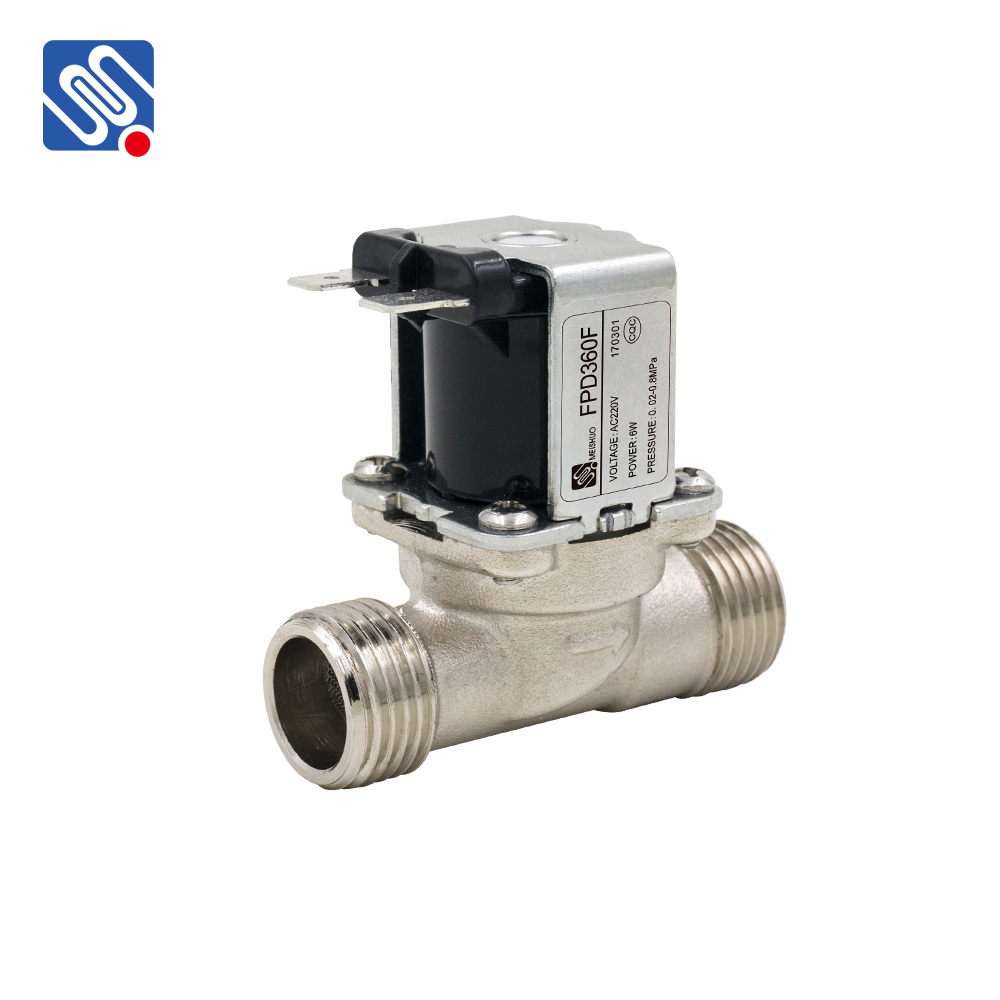
What is a Direct Acting Solenoid Valve? A Direct Acting Solenoid Valve is an electromechanical valve that controls the flow of fluid or gas through a system by using an electromagnetic force. Unlike pilot-operated valves, which rely on external pressure to assist in valve operation, Direct Acting Solenoid Valves directly utilize an electromagnetic coil to move the valve’s plunger or diaphragm, making them highly responsive and reliable for small-scale operations. These valves typically operate in two primary configurations: Normally Closed (NC) and Normally Open (NO). In the NC configuration, the valve is closed when no current is applied to the solenoid coil, and it opens when the coil is energized. Conversely, the NO configuration keeps the valve open in its default state and closes when the solenoid is activated.