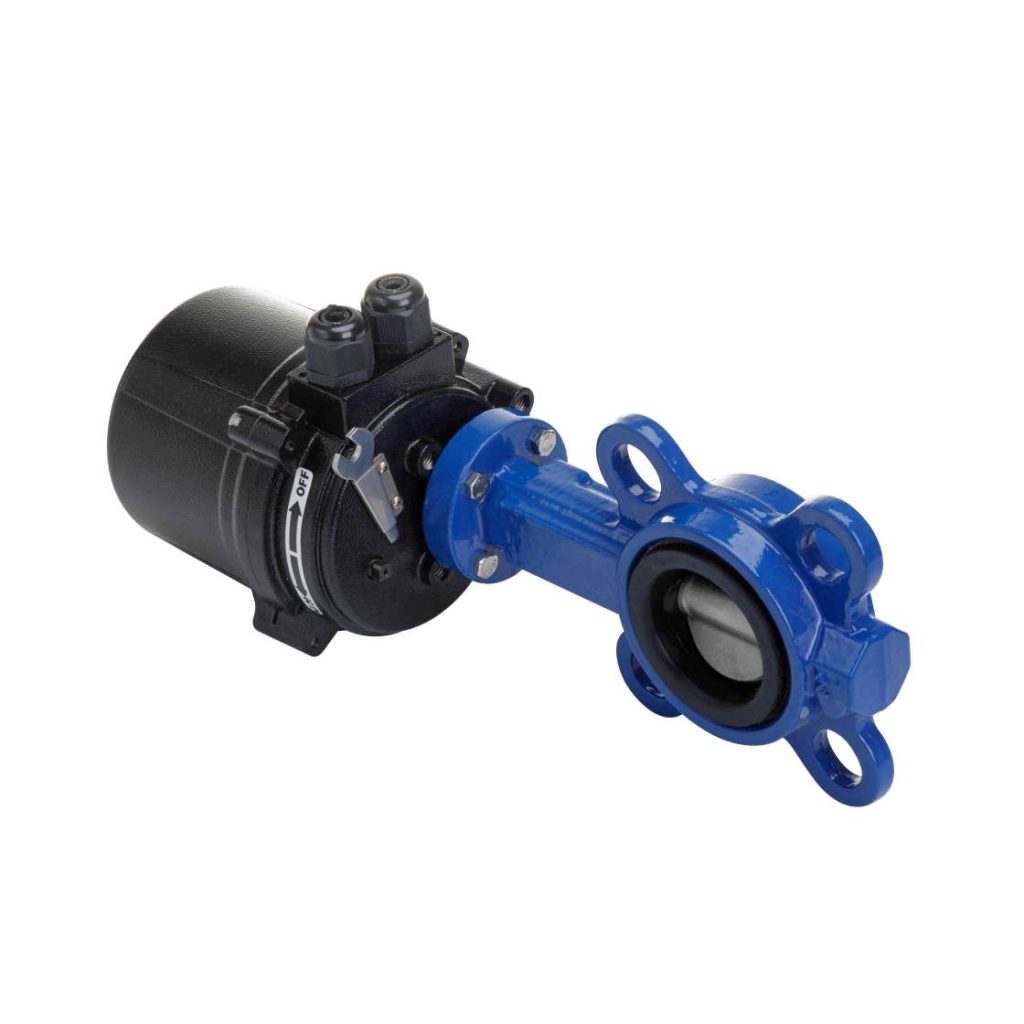
In modern agriculture, effective water management is crucial to ensure the health of crops and to optimize water usage. One key component that has proven to be highly efficient in agricultural irrigation systems is the electric butterfly valve. These valves, equipped with electric actuators, provide a reliable, automated solution for controlling water flow, improving irrigation efficiency, and reducing water wastage. In this article, we will explore the functionality, advantages, and applications of electric butterfly valves in agricultural irrigation systems.
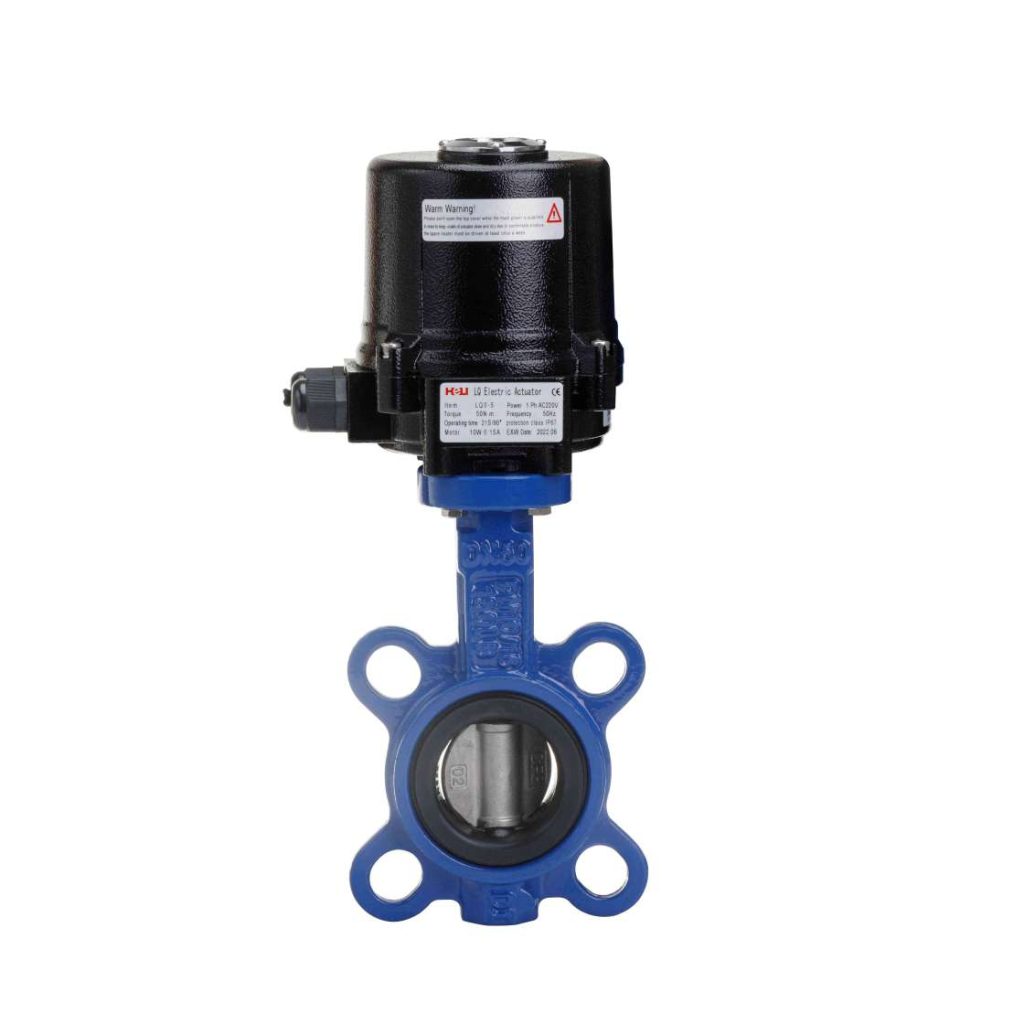
What is an Electric Butterfly Valve?
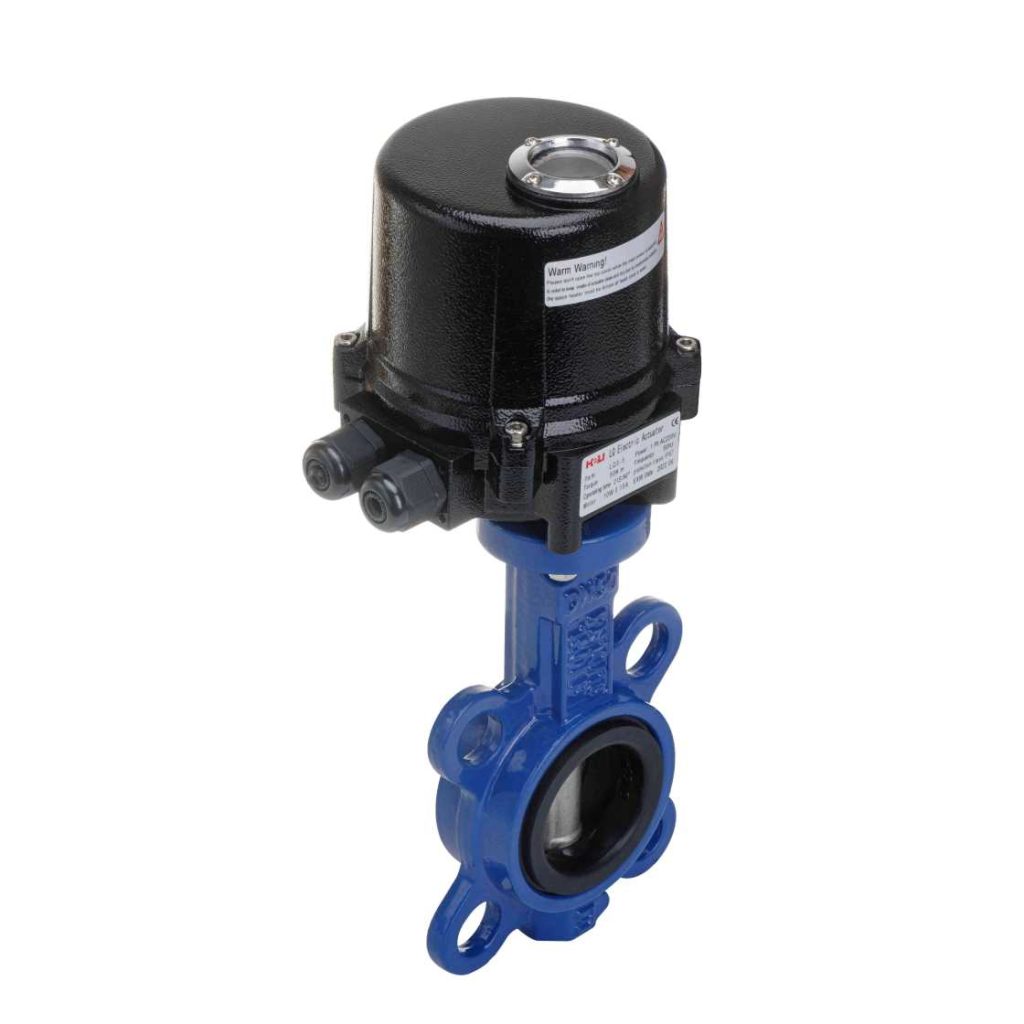
An electric butterfly valve is a type of valve that uses an electric actuator to control the opening and closing of the valve. The valve itself consists of a disc (or “butterfly”) that rotates within the pipeline to regulate the flow of water. The actuator, powered by electricity, controls the movement of this disc, allowing for precise and automated control of water distribution. Electric butterfly valves are often used in large-scale irrigation systems where remote operation and automation are necessary for efficient water management. Functionality in Agricultural Irrigation In agricultural irrigation, electric butterfly valves are typically used to control the flow of water within the irrigation system. They are installed at key points in the system, such as the mainlines, lateral lines, or sub-mainlines, to regulate water delivery to specific zones or fields. The electric actuator allows for easy remote control, meaning that the valve can be opened or closed from a central control panel or integrated into an automated irrigation schedule.