Relay drive is an essential concept in electrical engineering, widely used for controlling high-power devices with low-power control signals. It acts as an interface between low-voltage control circuits, such as microcontrollers or PLCs, and high-voltage systems, including motors, lights, and heating equipment. This article will explore the principles behind relay drive, its key applications, and its advantages in various electrical systems.
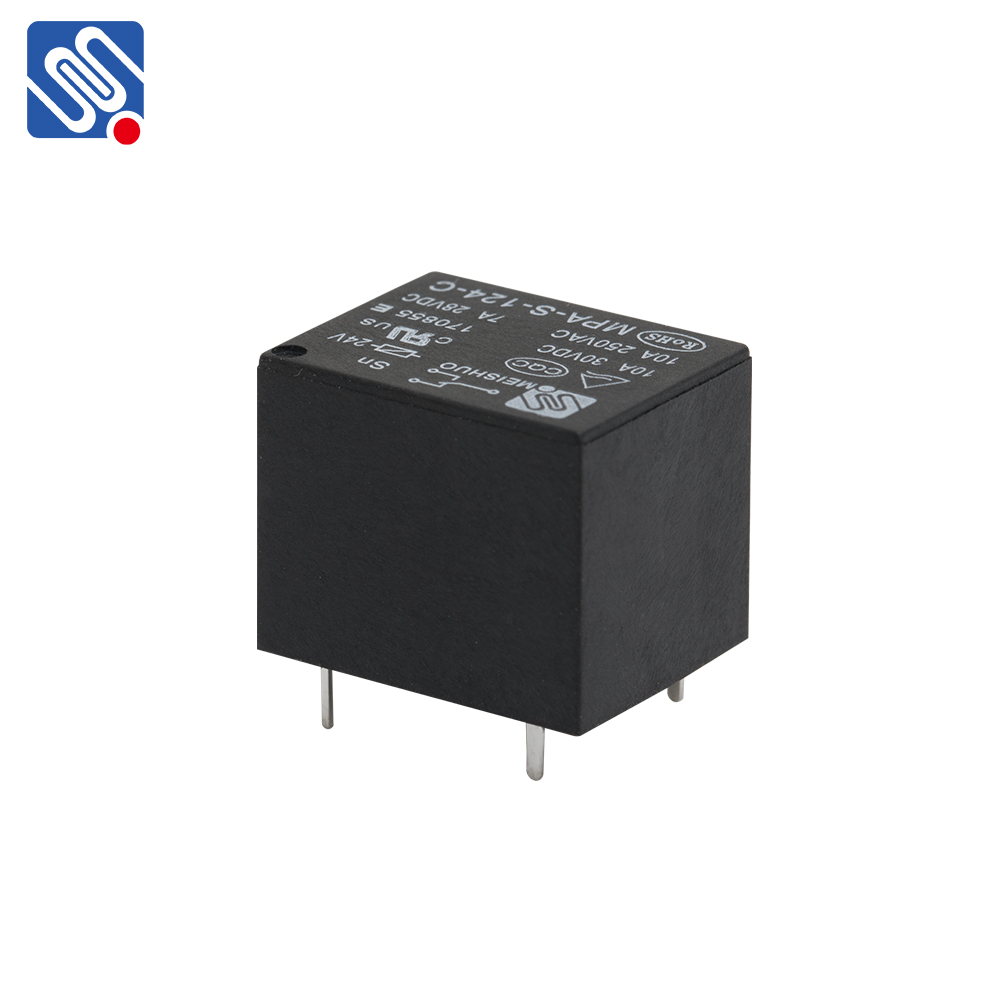
What is Relay Drive? At its core, a relay drive is a mechanism that allows a low-power circuit to control a higher power load through the use of a relay. A relay is an electrically operated switch consisting of a coil (or electromagnet) and a set of contacts. When an electric current flows through the coil, it generates a magnetic field that activates the contacts, closing or opening the circuit for the connected load. This switching action enables the control of devices that require higher voltages and currents than what the control circuit can handle. The main principle behind relay driving is electrical isolation. The control circuit, often a microcontroller or a low-power automation system, can activate the relay without directly influencing the high-power components. This separation ensures the safety and longevity of the control circuitry, while also providing flexibility in managing large electrical loads.