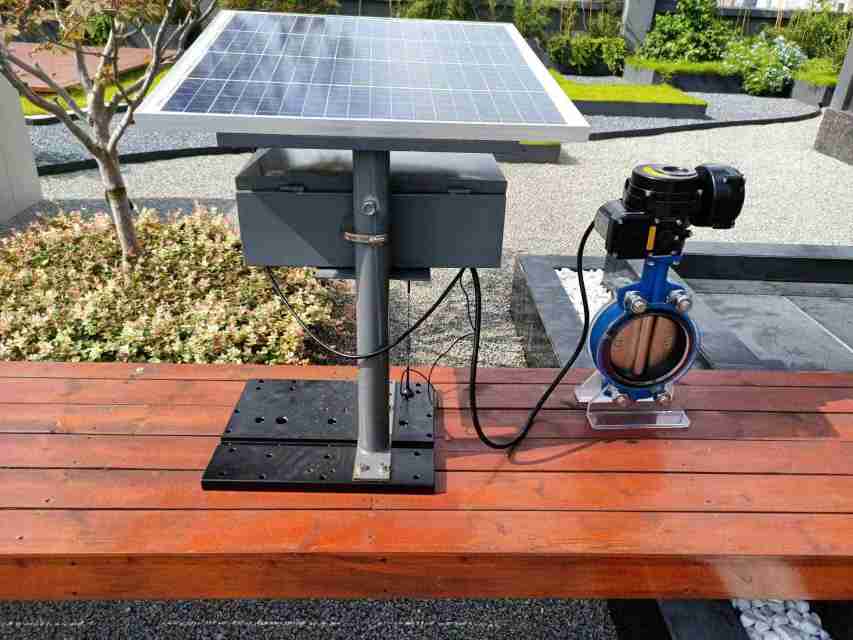
The integration of solar energy into various technologies has made significant advancements in recent years, with one notable innovation being the Photovoltaic Electric Valve. This device combines the functionality of an electric valve with the sustainability of solar power, offering a unique solution for applications in remote areas, industrial processes, and energy-efficient systems. By utilizing the power of the sun, photovoltaic electric valves help minimize dependency on traditional power grids and reduce environmental impact, making them an ideal choice for a variety of industries and applications.
The Basics of Photovoltaic Electric Valves
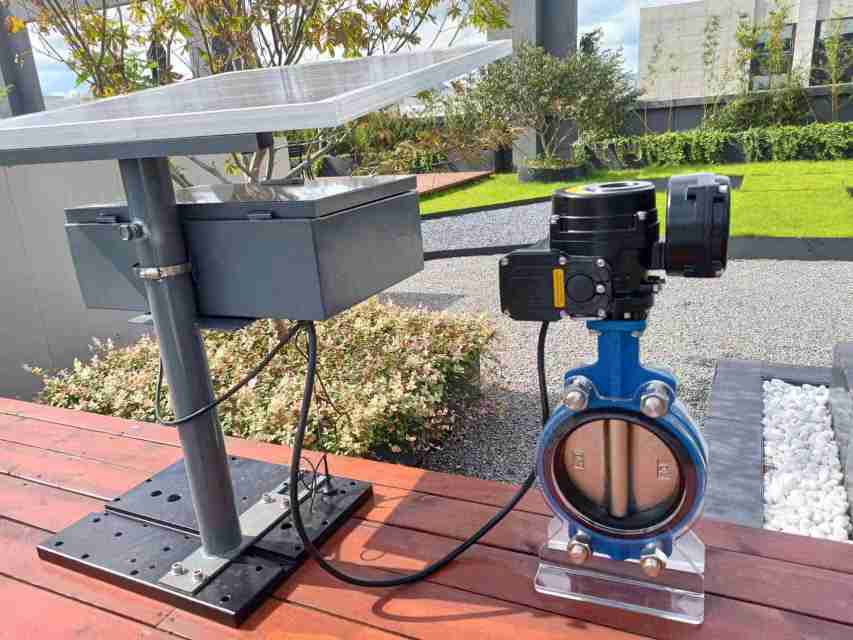
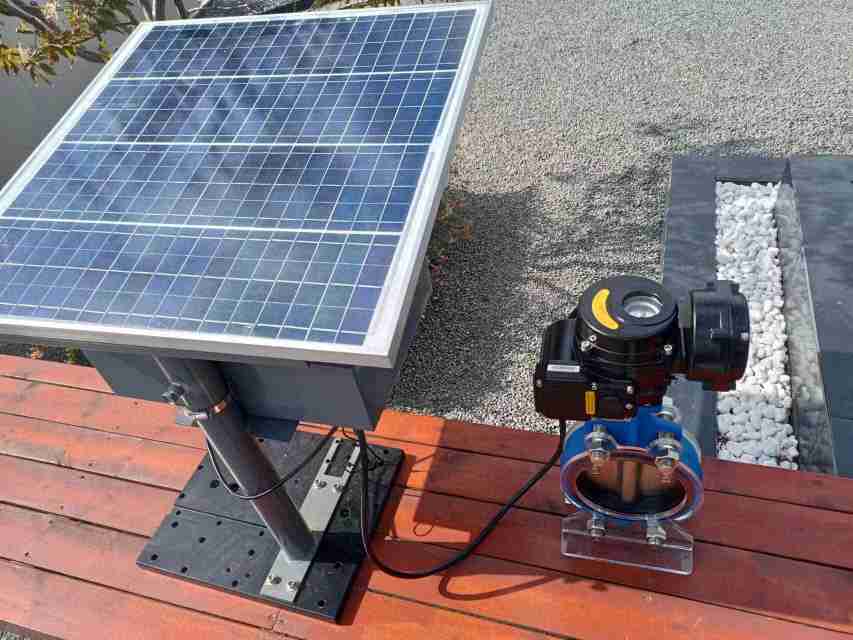
At its core, a photovoltaic electric valve operates much like a conventional electric valve, which is used to control the flow of fluids or gases in a pipeline. However, instead of relying on grid electricity to power the actuator, the photovoltaic electric valve incorporates a solar panel to generate the necessary power. The solar panel collects sunlight and converts it into electrical energy, which is then stored in a battery. The stored energy is used to control the valve’s operation, allowing it to open or close depending on the requirements of the system. This combination of solar power and electric valve control technology allows the system to function autonomously, without the need for an external power supply. The self-sufficiency provided by photovoltaic electric valves makes them an attractive option for locations where conventional electrical infrastructure is either unavailable or impractical.