High-Power Relays (HPR) are essential components in a wide range of industries, providing an efficient solution for switching high voltage and high current loads. Unlike standard relays, high-power relays are specifically designed to handle more substantial electrical demands, making them indispensable for controlling powerful machines, equipment, and systems. This article will explore the fundamental characteristics, working principles, and common applications of high-power relays, as well as considerations when selecting these devices for specific tasks.
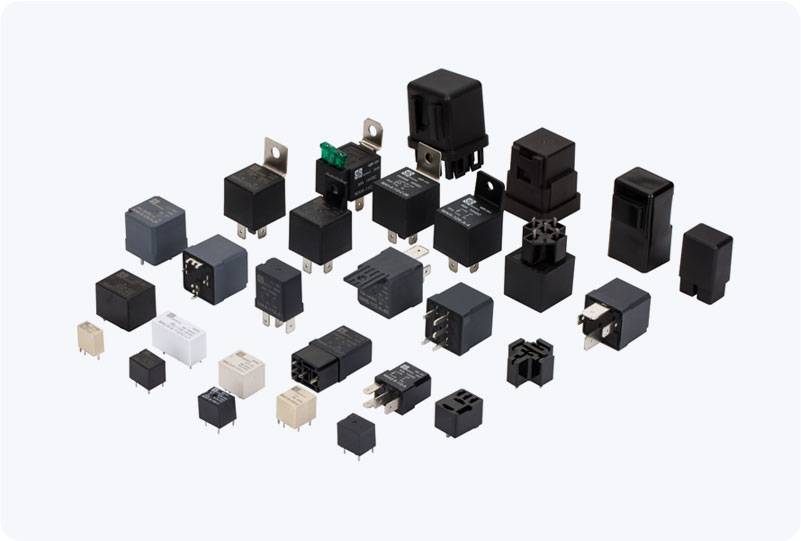
What is a High-Power Relay? A high-power relay is a type of electromagnetic switch designed to control the flow of high-current or high-voltage electrical circuits. These relays are more robust than standard relays, offering better insulation and greater switching capacity. Typically, high-power relays can handle currents ranging from 10A to several hundred amperes, making them crucial for heavy-duty industrial and automotive applications. High-power relays typically use silver alloy contacts and feature enhanced arc-quenching mechanisms to ensure reliability and longevity even under heavy electrical loads.