Relays are integral components in various electrical and automation systems, serving as switches to control the flow of electricity. Their ability to perform reliably and efficiently is crucial for the proper functioning of these systems. The performance of a relay is typically measured using several key metrics, which help in evaluating its suitability for different applications. These relay performance metrics provide insight into the relay’s behavior, longevity, and overall performance under specific operating conditions. This article explores the most significant metrics used to assess relay performance, focusing on contact resistance, pull-in time, drop-out time, mechanical and electrical life, and more.
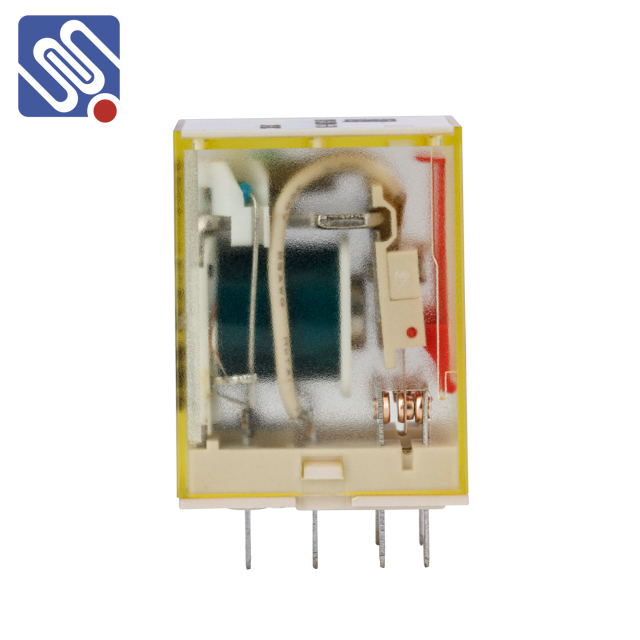
1. Contact Resistance: The Key to Efficient Conductivity One of the most fundamental metrics for evaluating relay performance is contact resistance. This is the resistance measured across the relay’s contacts when they are closed. A low contact resistance is essential for ensuring efficient current flow and minimizing energy loss. High contact resistance can result in voltage drops, overheating, or even failure of the system due to excessive power dissipation. Relays with minimal contact resistance are ideal for applications where energy efficiency and reliability are critical, such as in high-performance industrial and automotive systems.