In the fast-paced landscape of modern electronics, the need for reliable and safe control mechanisms has never been more crucial. One of the key components that have risen to prominence in this regard is the Optocoupler Protected Relay Module. Combining the functions of optical isolation and relay control, this module serves a vital purpose in safeguarding sensitive electronics while enabling the control of high-power devices. This article delves into the intricacies of Optocoupler Protected Relay Modules, exploring their design, functionality, applications, and advantages.
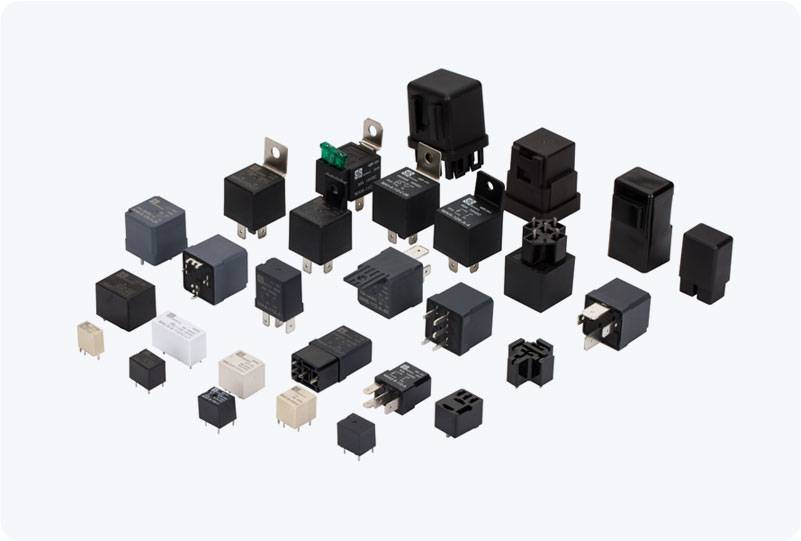
Overview of the Optocoupler Protected Relay Module At its core, an Optocoupler Protected Relay Module combines two electrical elements: an optocoupler and a relay. The optocoupler operates as an isolating device, transmitting signals from one circuit to another while maintaining electrical isolation between them. This prevents high voltages from directly affecting lower voltage control circuits, thereby protecting sensitive components like microcontrollers. The relay, on the other hand, acts as an electrically operated switch, allowing a low-power control signal to manage larger power loads, such as motors, lights, or heating elements. The combination of these two components makes the Optocoupler Protected Relay Module a versatile tool in various electronic designs.