Relays are essential components in modern automotive electrical systems. They serve as switches that allow a small electrical current to control a larger one, enabling a wide range of vehicle functions, from activating the lights to operating the air conditioning system. Understanding the different types of car relays can help both professionals and car enthusiasts diagnose and maintain vehicle electrical systems more effectively. In this article, we will explore the various types of car relays and their applications.
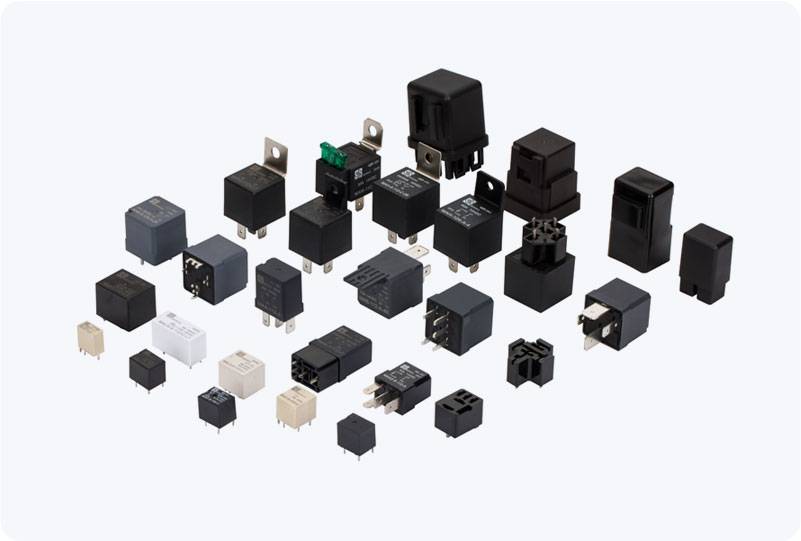
What Is a Car Relay? A car relay is an electrical device that uses an electromagnet to control the opening and closing of a switch. When a low current passes through the relay’s coil, it creates a magnetic field that activates the switch, allowing a higher current to flow through the device. Relays are commonly used in automotive circuits because they can handle high-power devices without requiring a large control switch or wire. 1. Standard Relays (Electromagnetic Relays) The most common type of relay found in vehicles is the standard electromagnetic relay. These relays are used to control various electrical components, including headlights, horns, and fuel pumps. When a low-power signal, such as from a switch or control module, is applied to the relay, it activates the magnetic coil inside, closing the switch and allowing a larger current to flow to the electrical component.