A PVC solenoid valve is a device used to control the flow of fluids (liquids or gases) through a pipe system. These valves are highly efficient, versatile, and widely used in various industries, from water treatment to agriculture. The main feature of a PVC solenoid valve is its construction from polyvinyl chloride (PVC), a strong, lightweight, and corrosion-resistant material that makes these valves ideal for many fluid control applications. In this article, we will explore the design, benefits, and applications of PVC solenoid valves, highlighting their importance in modern fluid control systems.
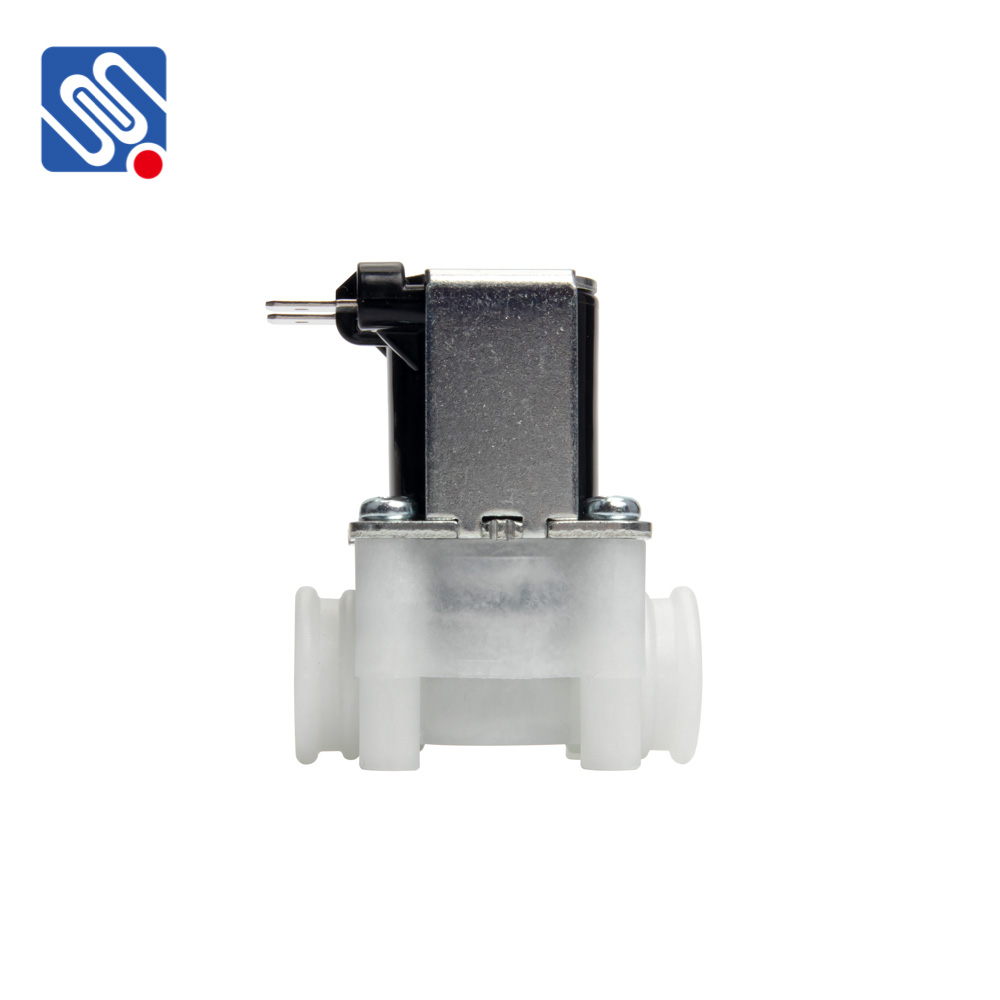
What is a PVC Solenoid Valve? A PVC solenoid valve consists of a solenoid coil, an electromagnet, and a valve body made from PVC material. The valve body controls the flow of fluid, which can be either in the open or closed position. The solenoid coil is activated by an electrical current, which generates a magnetic field, causing the valve to open or close based on the applied voltage. This mechanism allows for precise and automated fluid control, making PVC solenoid valves a reliable solution in industries requiring efficient fluid management. Key Advantages of PVC Solenoid Valves Corrosion Resistance: One of the standout features of PVC solenoid valves is their resistance to corrosion. PVC is highly resistant to most acids, bases, and salts, which makes these valves ideal for handling harsh or corrosive fluids. For example, industries dealing with chemicals, water treatment plants, and even food processing can benefit from PVC solenoid valves because they can withstand exposure to corrosive substances without deteriorating quickly.