In recent years, the demand for smart homes and automation systems has been on the rise. As a result, various technologies and protocols have emerged to make our homes smarter, more efficient, and more secure. One such technology is the Zigbee Relay Module, which plays a pivotal role in modern smart home and automation systems. This article explores the Zigbee Relay Module’s functionality, features, and practical applications in home automation and industrial systems.
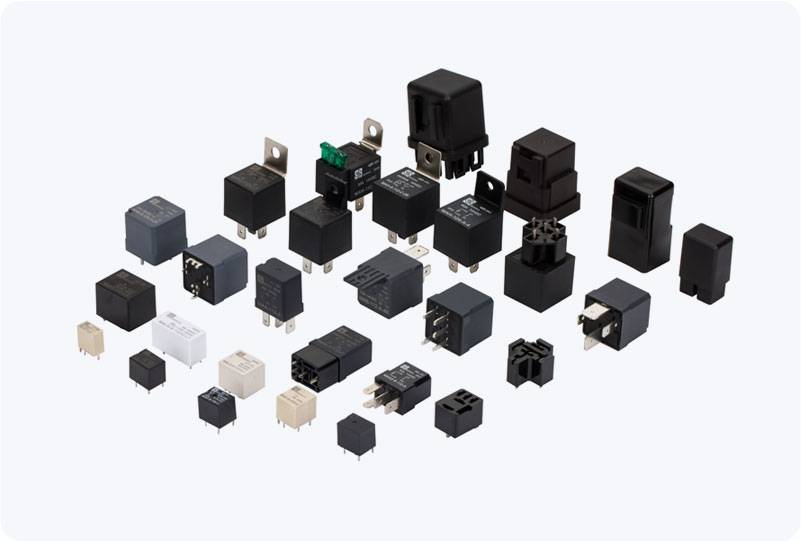
What is a Zigbee Relay Module? A Zigbee Relay Module is a wireless device that enables the control of electrical appliances and devices using the Zigbee communication protocol. Zigbee is a low-power, low-data-rate wireless technology that operates over short distances, making it ideal for applications like home automation, industrial control, and the Internet of Things (IoT). The Zigbee Relay Module acts as a bridge between the Zigbee network and electrical devices by using a relay to switch devices on or off. The Zigbee Relay Module communicates with other Zigbee-enabled devices through a Zigbee coordinator or hub, typically connected to a mobile app or a central control system. This allows users to remotely control and automate their devices, making it a key component of any smart home or automation project.