Normally open solenoid valves are crucial components in various fluid control systems, serving as the gateway for numerous applications across different industries. Unlike their normally closed counterparts, these valves are designed to remain in an open state when no electrical power is applied. This unique operation mechanism has made normally open solenoid valves essential in automation, irrigation, HVAC systems, medical equipment, and much more. In this article, we will explore the working principles, applications, advantages, and considerations associated with normally open solenoid valves.
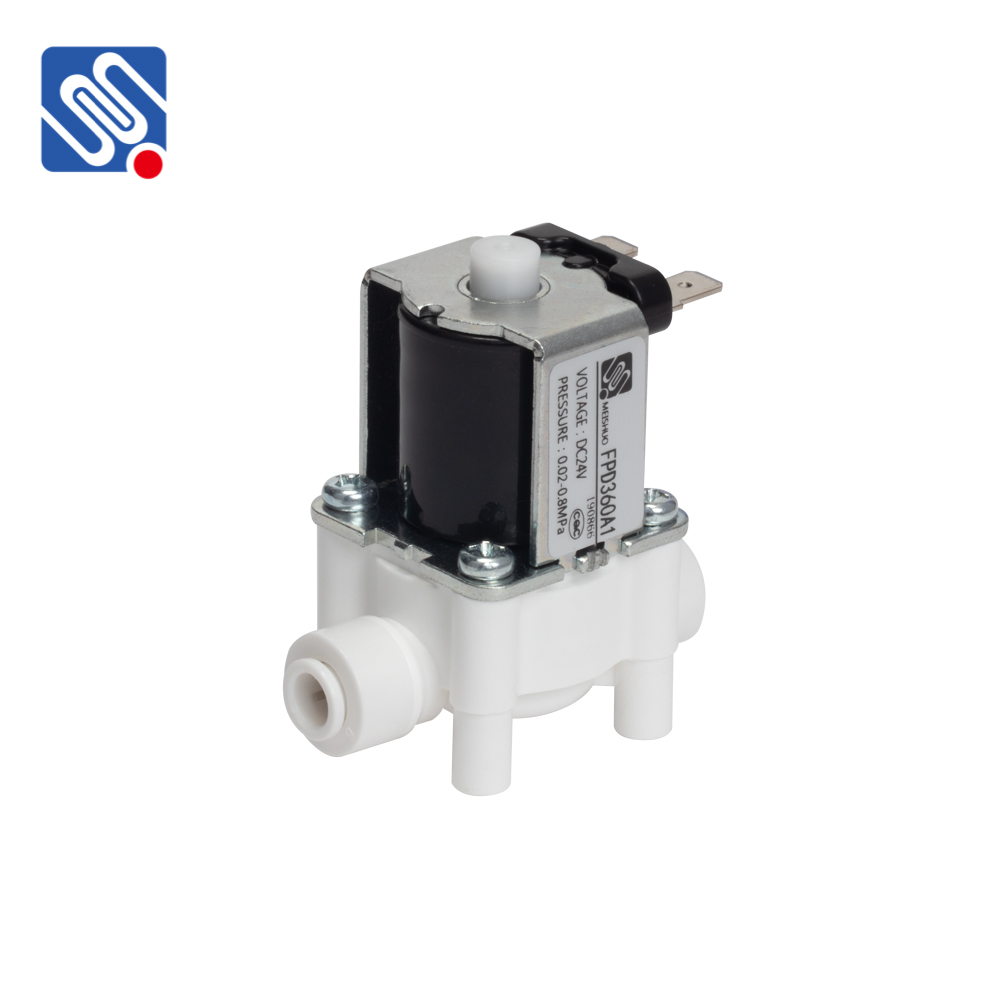
Working Principle The fundamental working principle of a normally open solenoid valve centers around an electromagnetic mechanism. These valves consist of a solenoid coil, a movable plunger (or armature), and a valve body. In the default state, the plunger is held in position by a spring or gravity, allowing the valve to remain open and fluid to flow freely. When electrical current is supplied to the solenoid coil, it creates a magnetic field that attracts the plunger, moving it into a closed position and shutting off the flow of fluid. Removing the power causes the magnetic field to dissipate, and the spring or gravity returns the plunger to its original position, reopening the valve. This rapid and efficient operation makes normally open solenoid valves very reliable for controlling fluid dynamics in various systems.