The WCB Electric Pinch Valve is a specialized valve designed to control the flow of liquids and gases in various industrial applications. Its innovative “pinch” mechanism provides a reliable and efficient way to manage fluid flow, making it a popular choice in sectors such as chemical processing, food and beverage, wastewater treatment, and more. This article will delve into the unique features, advantages, and applications of the WCB Electric Pinch Valve, highlighting why it stands out in the realm of flow control solutions.
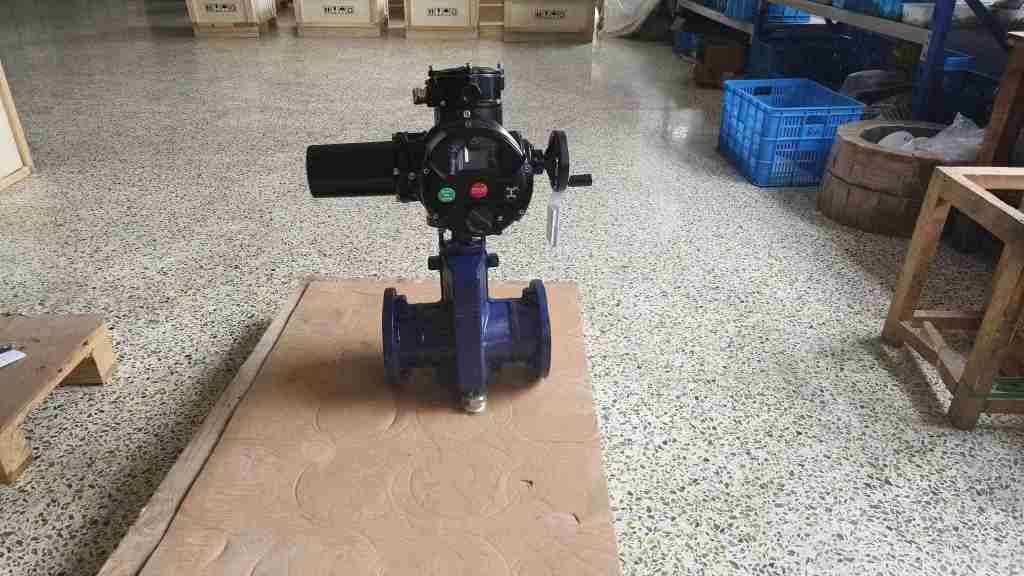
Working Principle of the WCB Electric Pinch Valve At the heart of the WCB Electric Pinch Valve is its distinctive working mechanism. The valve consists of a flexible sleeve, usually made of elastomeric materials such as rubber, that is flanked by two clamping plates. When the valve is in the closed position, these plates apply pressure to the sleeve, effectively pinching it and restricting the flow of fluid. When the valve is opened, the plates retract, allowing the fluid to flow freely through the now-unclamped sleeve. The WCB Electric Pinch Valve is equipped with an electric actuator, enabling remote operation and automated control through electrical signals. This feature enhances the ease of operation, allowing for precise flow regulation without the need for manual intervention. The integration of electric control systems means that the valve can be easily coordinated with other components in a processing system, contributing to improved efficiency and reduced labor costs.