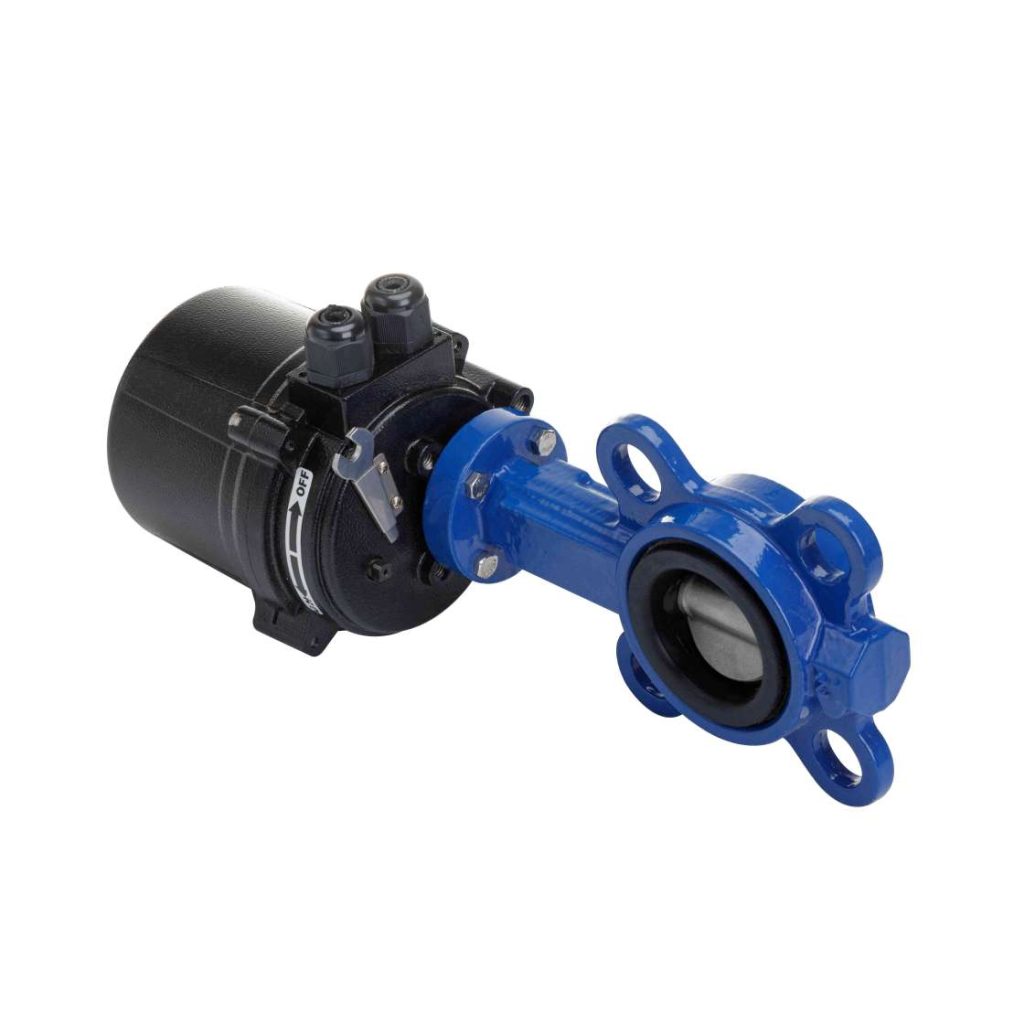
An electric butterfly valve is an essential component in fluid control systems, used in a wide variety of industries to regulate the flow of liquids and gases. Its primary function is to control the flow of materials through pipelines, ensuring that processes are efficient, safe, and reliable. These valves are particularly favored for their simplicity, durability, and ease of integration into automated systems. This article delves into the key features, applications, and benefits of electric butterfly valves, as well as their role in modern control systems.
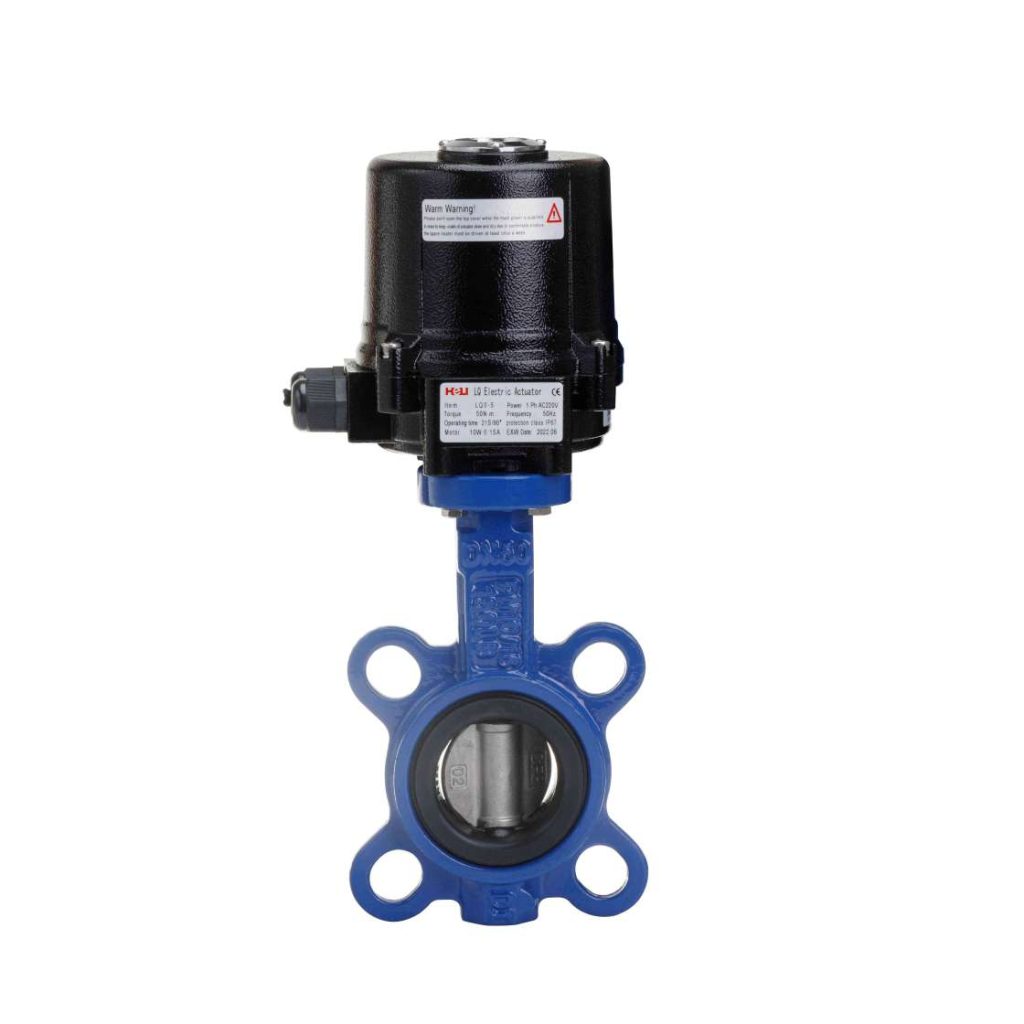
What is an Electric Butterfly Valve?
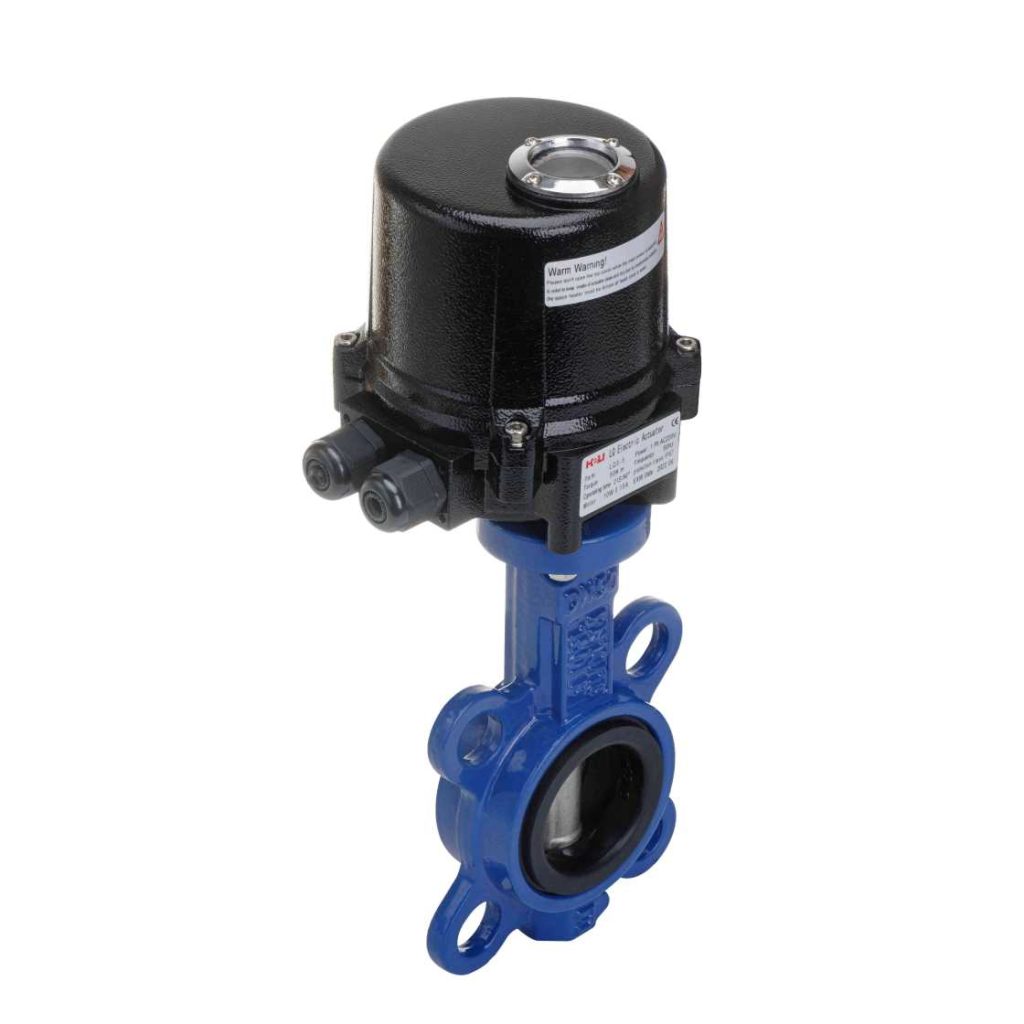
An electric butterfly valve is a type of valve that uses an electric actuator to open or close the valve. The valve consists of a circular disc or “butterfly,” which rotates around a shaft to control the flow of the fluid. When the valve is open, the butterfly remains parallel to the flow, allowing material to pass through the pipe. When it is closed, the butterfly rotates perpendicular to the flow, stopping the material. The electric actuator, powered by an electric motor, enables precise control of the valve’s position, allowing for easy automation and integration with control systems. Unlike other types of valves, such as ball or gate valves, butterfly valves are compact and lightweight, making them ideal for applications where space is limited or where a high degree of control is necessary. The electric actuator offers more precise control and faster response times, especially when connected to a remote control system or programmable logic controller (PLC).