Solenoid valves are essential components in fluid control systems, used to regulate the flow of liquids and gases in a variety of industries. These valves are operated by an electromagnetic solenoid, which opens or closes the valve to control fluid passage. Two common materials used for manufacturing solenoid valves are stainless steel and plastic, each with its own advantages and ideal applications. In this article, we will explore the differences between stainless steel and plastic solenoid valves, their respective benefits, limitations, and the best applications for each.
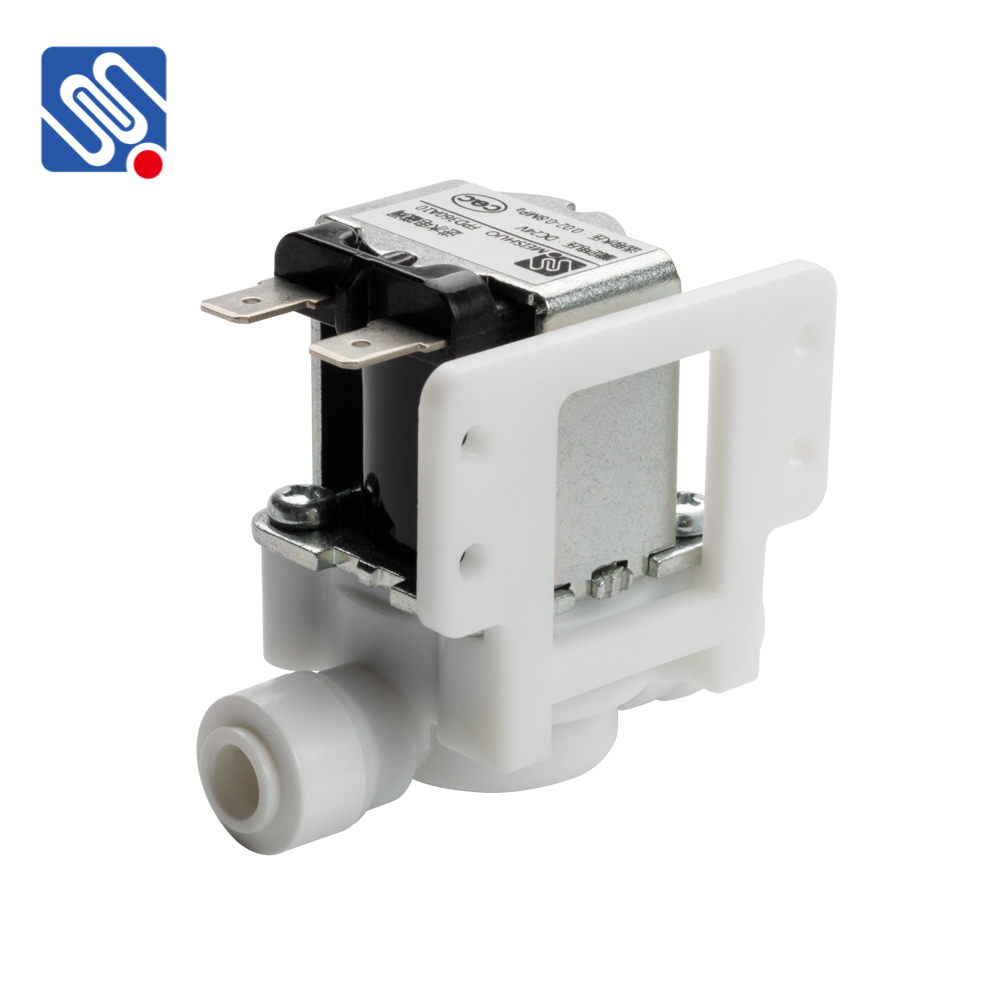
Stainless Steel Solenoid Valves Stainless steel solenoid valves are widely used in industrial applications due to their strength, durability, and resistance to corrosion. Stainless steel, an alloy of iron, carbon, and other elements such as chromium, provides these valves with the ability to withstand extreme conditions, including high pressure, high temperature, and corrosive environments. One of the key benefits of stainless steel solenoid valves is their robustness. These valves are designed to endure in environments where other materials might fail. For example, they are commonly used in the chemical, petrochemical, and oil and gas industries, where they control the flow of aggressive fluids and gases. Their ability to withstand high pressures and temperatures makes them ideal for steam, oil, and hydraulic systems, where precision and reliability are paramount.