Lock Out Tag Out (LOTO) locks are a critical component of workplace safety, particularly in industries where machinery and equipment pose significant hazards to workers. The primary goal of LOTO is to prevent unexpected machine start-up during maintenance or servicing operations, safeguarding workers from potential injuries or fatalities. This article will delve into the importance of lock out tag out locks, the procedures involved, and the broader implications for workplace safety.
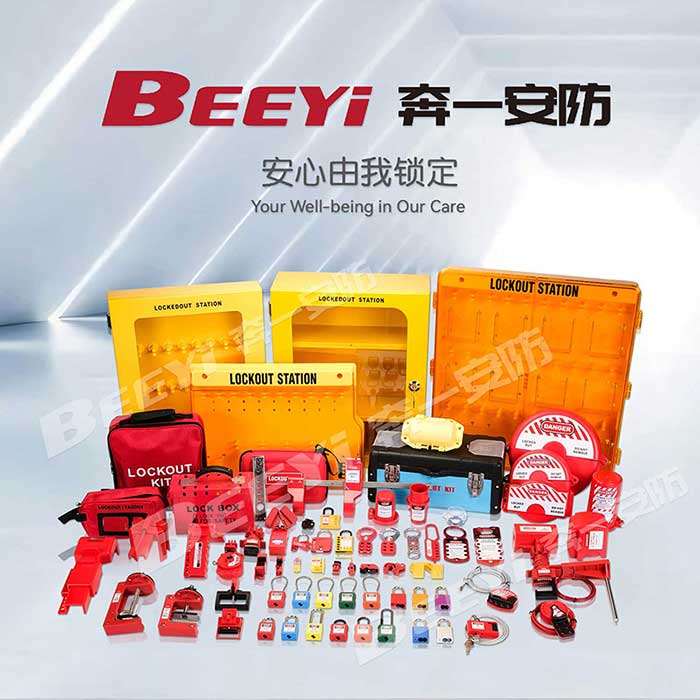
At its core, the LOTO process involves two key actions: “lock out,” which refers to the physical locking of energy-isolating devices, and “tag out,” which involves placing a prominent warning tag on the locked devices to indicate that maintenance or servicing is in progress. This simple yet effective system serves to control hazardous energy sources, including electrical, mechanical, hydraulic, pneumatic, chemical, thermal, or other energy types that could pose risks during servicing. The significance of implementing lock out tag out locks cannot be overstated. A key aspect of workplace safety is the protection of employees, and LOTO procedures significantly reduce the likelihood of accidents. According to the Occupational Safety and Health Administration (OSHA), failure to utilize LOTO procedures can lead to severe injuries, including amputations, lacerations, and even fatalities. In environments where heavy machinery is prevalent, the potential for catastrophic events is heightened, making LOTO practices not only advisable but essential.