When designing electrical systems, one crucial component that often gets overlooked is the relay. A relay is an electromechanical or solid-state switch that controls a high-power circuit with a low-power signal, and choosing the right relay type is essential for ensuring the reliability and efficiency of your system. This process is referred to as “Relay Type Selection.” The wrong choice of relay can lead to system failures, safety issues, or inefficient operation. In this article, we will explore the key factors to consider when selecting the appropriate relay for your application.
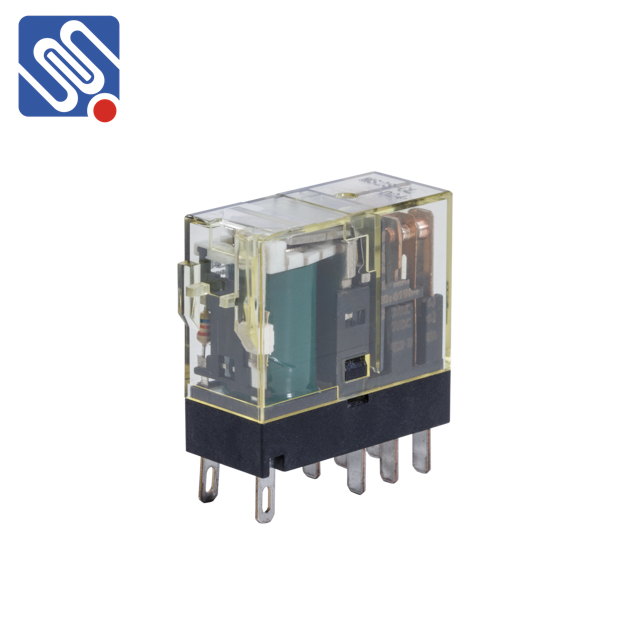
1. Voltage and Current Ratings The first and foremost factor to consider when selecting a relay is the voltage and current ratings. Every relay comes with specific voltage and current ratings that indicate the maximum values the relay can handle. When selecting a relay, ensure that its voltage rating is higher than the operating voltage of the circuit. Similarly, the current rating should exceed the maximum current that the relay will switch. For example, if you’re designing a circuit that switches 120V AC, you must choose a relay with a voltage rating of at least 120V, ideally higher to allow some margin for safety. Likewise, for a circuit that carries 10A, the relay must be able to handle at least 10A.