The 24V 10A relay is an essential component in many electrical and automation systems. It serves as an electromechanical switch that allows users to control high-power devices using a low-power signal. Widely used in industries such as automotive, industrial automation, and home electronics, this relay provides an efficient and reliable way to manage electrical circuits. In this article, we will explore the features, working principles, and applications of the 24V 10A relay, shedding light on why it is such an integral part of modern electrical systems.
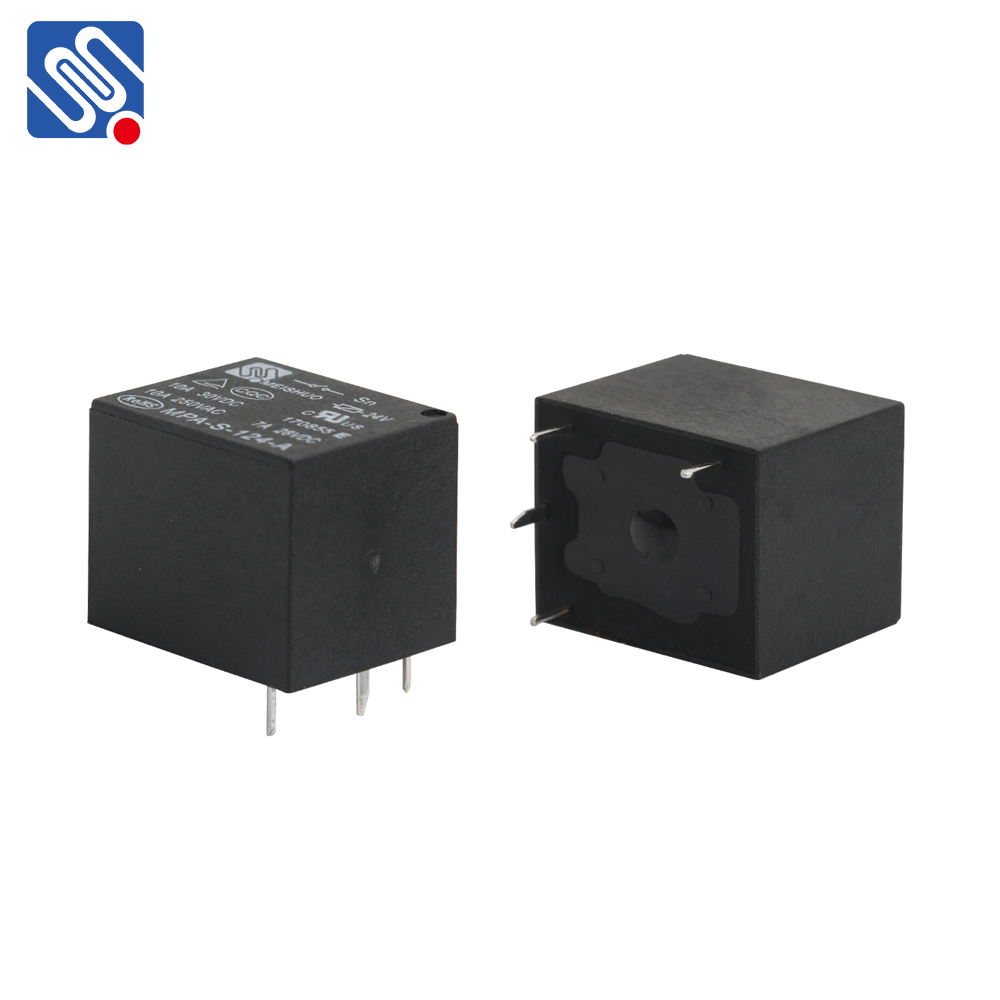
What is a 24V 10A Relay? A 24V 10A relay consists of a coil, a set of contacts (commonly NO and NC), and a mechanical arm that switches the contacts when activated. The “24V” refers to the operating voltage of the relay’s coil, while the “10A” refers to the maximum current the relay can handle through its contacts when switching external circuits. Typically, the 24V 10A relay is used to control circuits that require higher voltages or currents, but it can be activated by a low-voltage signal (24V DC). Working Principle of the 24V 10A Relay The operation of a 24V 10A relay is based on the principles of electromagnetism. When 24V is applied to the relay’s coil, it generates a magnetic field that attracts a metal arm or lever. This movement causes the switch contacts to either close (if they were previously open) or open (if they were previously closed), depending on the configuration of the relay.