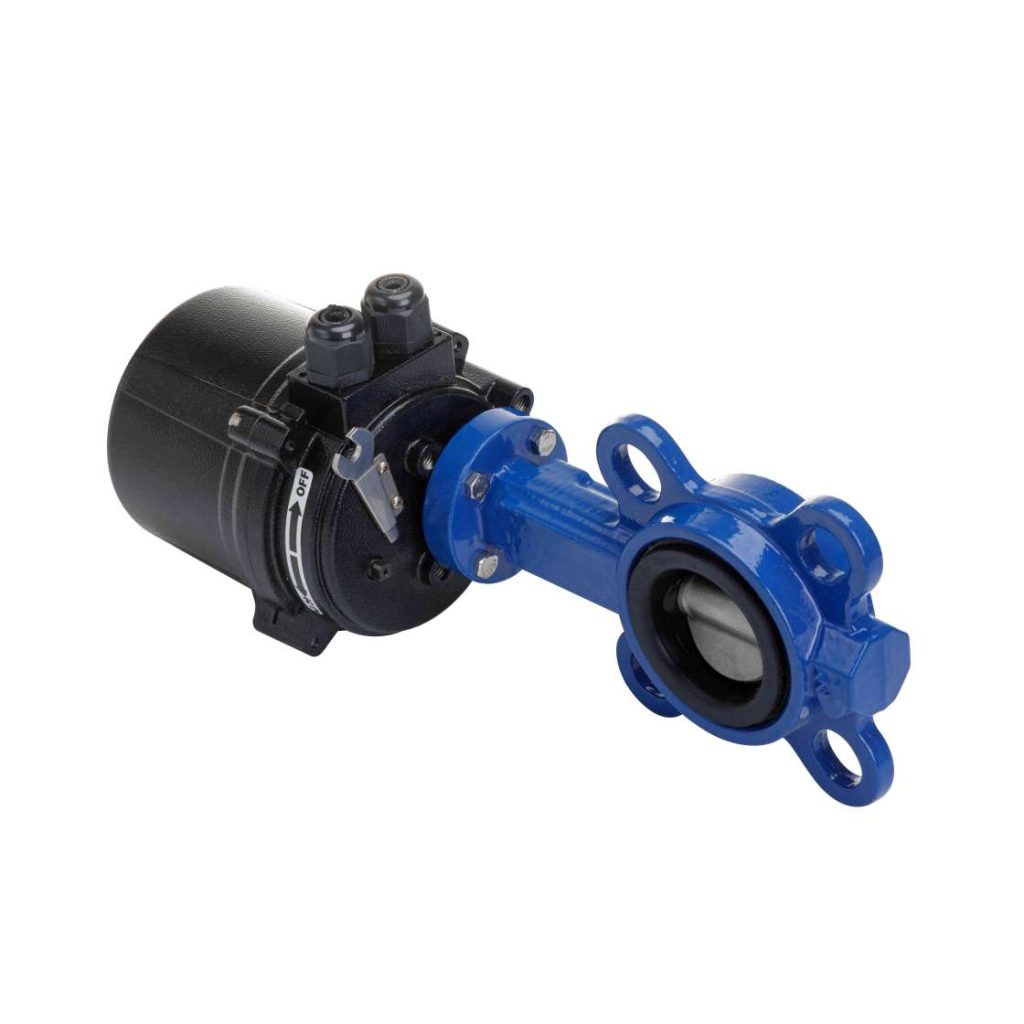
The electric butterfly valve is a pivotal component in modern fluid control systems, playing an essential role in numerous industries such as water treatment, HVAC (Heating, Ventilation, and Air Conditioning), and various process industries. This article delves into the structure, working principles, advantages, and applications of the electric butterfly valve, highlighting its significance in enhancing operational efficiency and reliability across different sectors.
Structure and Working Principle
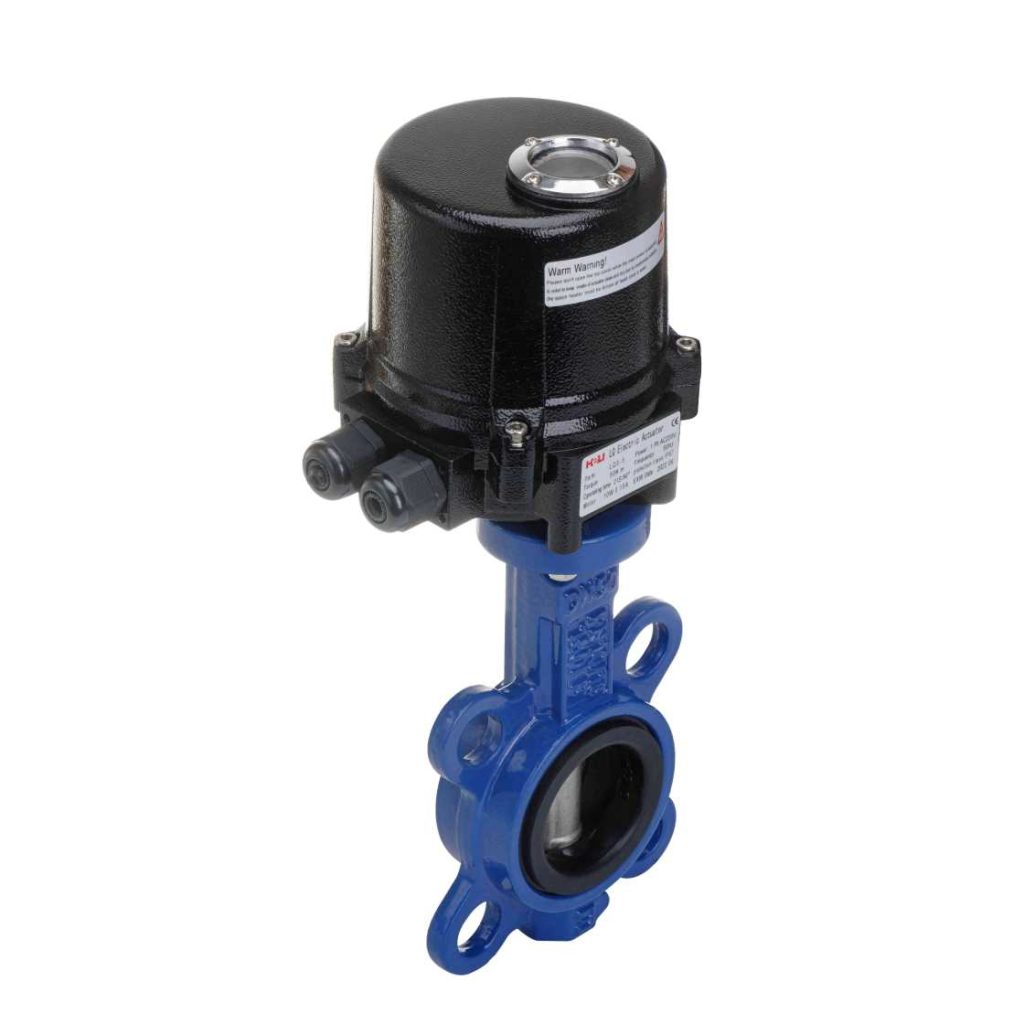
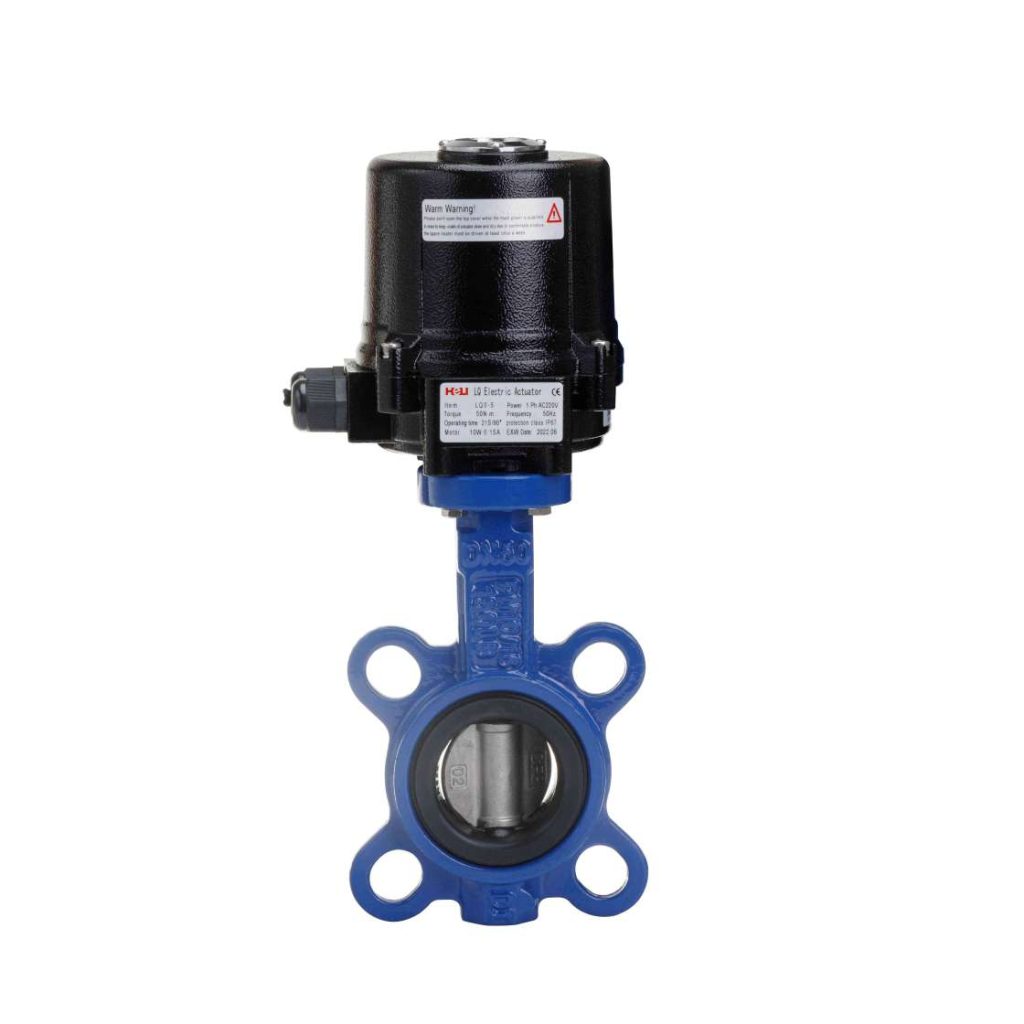
An electric butterfly valve generally consists of four main components: the valve body, butterfly disc, valve shaft, and electric actuator. The valve body houses the butterfly disc, which pivots around the valve shaft. The electric actuator is responsible for opening and closing the valve by rotating the shaft and, subsequently, the disc. When the actuator receives a command signal, it rotates the shaft to open or close the disc against the flow of the fluid. In the open position, the disc allows fluid to flow through the valve, creating minimal pressure drop. In the closed position, the disc seals off the flow, preventing any leakage. This straightforward mechanism enables rapid operation, making electric butterfly valves ideal for applications requiring quick response times.