As electric vehicles (EVs) continue to gain traction in the automotive world, understanding the intricacies of their electrical systems becomes increasingly important. One key component that plays a crucial role in the proper functioning of an EV’s powertrain is the Precharge Relay. This often-overlooked device is responsible for ensuring smooth and safe transitions between charging and operational states. In this article, we will dive into the role of the Precharge Relay, how it works, and why it is essential for electric vehicle safety and efficiency.
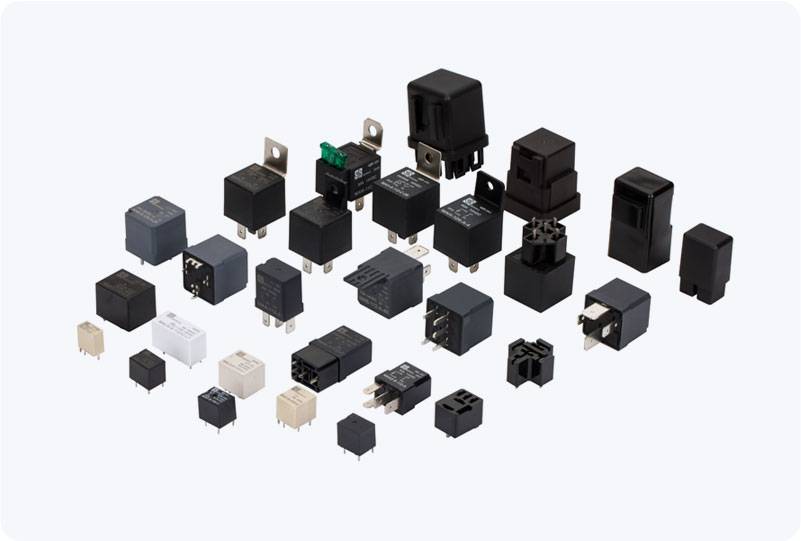
What is a Precharge Relay? A Precharge Relay is an electrical relay used in electric vehicles to prevent the sudden inrush of high current when connecting the high-voltage battery system to various electrical components, such as the inverter or the charger. It serves as an intermediary to manage voltage differences between the battery and other components before they are fully connected. Its primary purpose is to reduce the risk of damaging sensitive electronic parts and enhance the lifespan of the overall electrical system. The Need for a Precharge Relay in EVs Electric vehicles are powered by large, high-voltage battery packs, often ranging from 200 to 800 volts depending on the vehicle’s specifications. When the vehicle is turned on or when the charging process begins, there can be a significant voltage difference between the battery and the electrical components (e.g., motor controllers, inverters, or chargers). Without proper management, this voltage discrepancy can lead to large surges of current, which can be harmful to the system.