A PVC Solenoid Valve is a type of valve that utilizes an electromagnetic mechanism to control the flow of fluids or gases in various systems. Made from PVC (Polyvinyl Chloride), this valve type offers a unique combination of electrical control and chemical resistance, making it ideal for a variety of industrial applications. In this article, we will explore the working principle, benefits, and common applications of PVC solenoid valves.
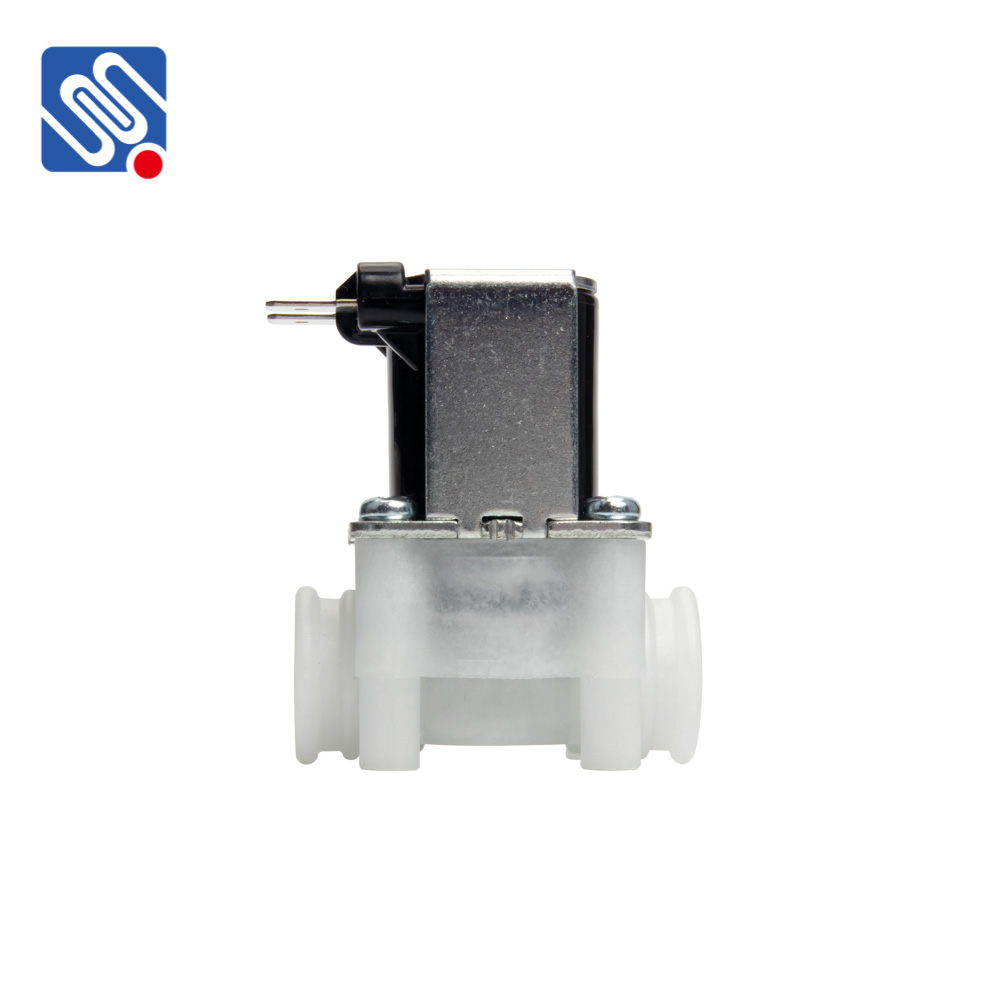
What is a PVC Solenoid Valve? A PVC solenoid valve consists of an electrically operated mechanism that opens or closes the valve based on a magnetic field created by a solenoid coil. When an electrical current passes through the coil, it generates a magnetic field that moves the valve plunger, controlling the fluid or gas flow. The valve is made of PVC, a plastic material known for its corrosion resistance, light weight, and cost-effectiveness. PVC solenoid valves are commonly used to regulate the flow of liquids, gases, and steam, making them essential in various industries. Working Principle