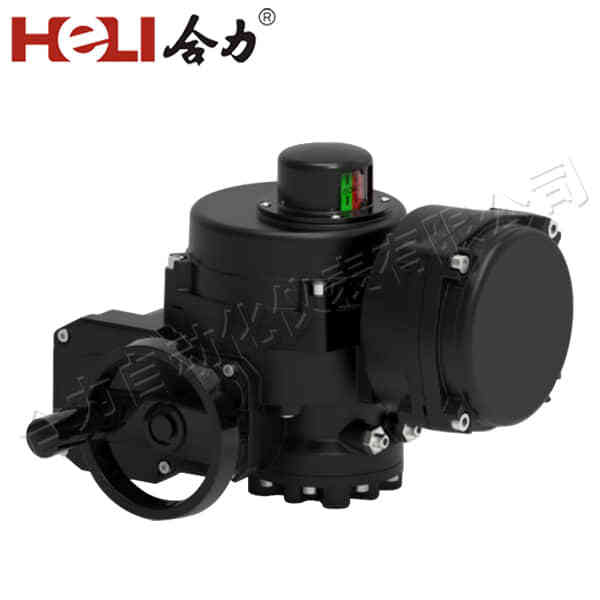
Electric actuator valves have become an essential component in modern industrial automation systems. They play a crucial role in controlling fluid flow in a variety of industries, from water treatment plants to chemical processing and HVAC systems. By integrating electric actuators with valve mechanisms, these devices provide a reliable, energy-efficient, and precise solution for fluid regulation. In this article, we will explore the components, working principle, applications, and advantages of electric actuator valves, highlighting why they are indispensable in today’s automated world.
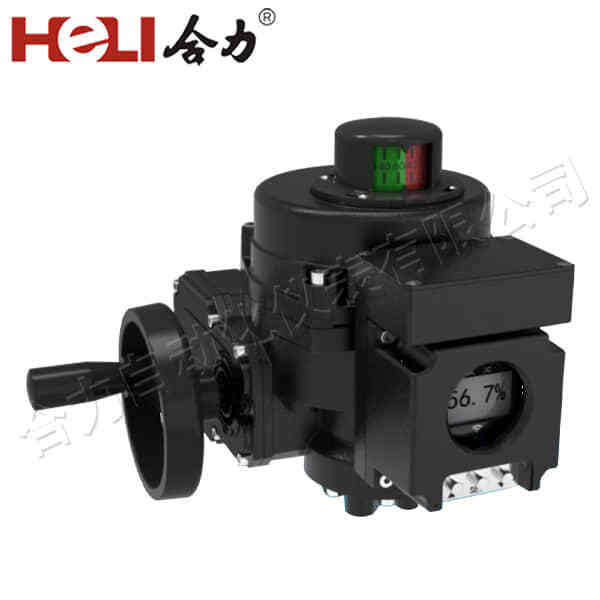
Components of an Electric Actuator Valve
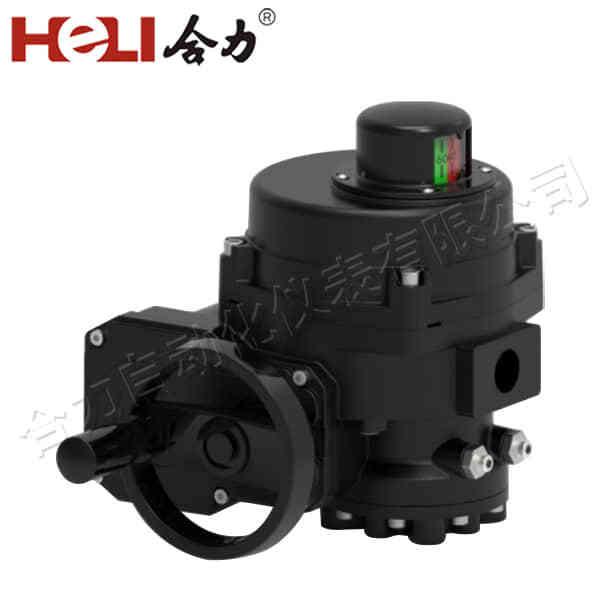
An electric actuator valve consists of two main components: the electric actuator and the valve itself. Electric Actuator: The electric actuator is the driving force behind the operation of the valve. It consists of an electric motor, a gearbox (reducer), and a controller. The electric motor generates rotational motion, which is then transmitted to the valve mechanism through the gearbox. The controller regulates the motor’s activity based on electrical signals received from an external control system, determining the speed and direction of the motor. Electric actuators can be either on/off type or modulating (for controlling the degree of valve opening).