Relays are essential components in many electrical systems, from industrial control panels to home appliances. They act as switches that can control the flow of electrical current without the need for manual intervention. Understanding the key parameters of a relay is crucial for selecting the right type for a given application. This article explores the various relay parameters that influence their performance and reliability in operation.
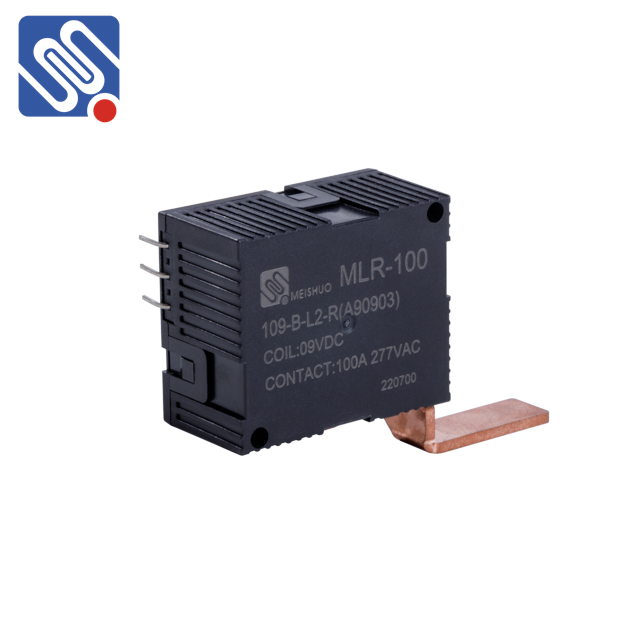
1. Coil Voltage One of the most critical parameters of a relay is the coil voltage, which refers to the voltage required to energize the relay’s coil. The coil voltage is essential because it determines when the relay will activate. Relays are typically designed for either direct current (DC) or alternating current (AC) systems, and choosing the correct voltage ensures that the relay will operate efficiently. For instance, a 12V DC relay will only function correctly when supplied with 12 volts of direct current. Too much or too little voltage can cause improper functioning or even damage the relay.