A relay circuit is an essential component in many electrical systems, enabling the control of high-power circuits with a low-power signal. It serves as an electrically operated switch, which is ideal for scenarios where a simple low-voltage control signal is needed to control high-voltage equipment. In this article, we will explore the basics of relay circuits, how they function, and their wide range of applications in modern electrical and electronic systems.
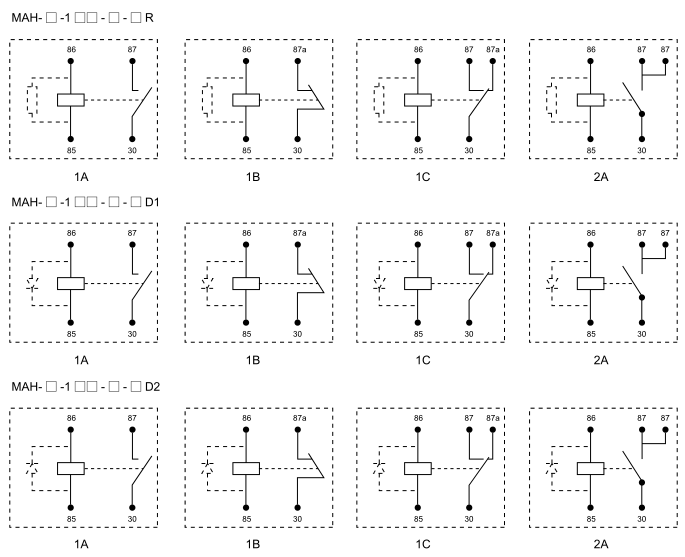
What is a Relay Circuit? At its core, a relay circuit consists of an electromagnet (the relay coil), a set of contacts, and a mechanical or electronic switching mechanism. The electromagnet, when energized, generates a magnetic field that either pulls or releases the contacts, effectively opening or closing the circuit. This allows a low-voltage control signal to influence the behavior of a high-voltage circuit. The relay has two main types of contacts: Normally Open (NO) and Normally Closed (NC). In a Normally Open configuration, the contacts remain open (disconnected) when the relay is not energized, and they close (connect) when the relay coil is powered. Conversely, in a Normally Closed configuration, the contacts are closed when the relay is de-energized and open when the relay is powered.