Automatic relays are vital components in modern electrical and automation systems, playing a critical role in protecting circuits, controlling power flow, and enabling automated processes. These relays are designed to automatically open or close electrical contacts in response to changes in electrical conditions such as overloads, short circuits, or other predefined signals. The adaptability and versatility of automatic relays make them indispensable in a wide range of applications, from industrial automation to power distribution.
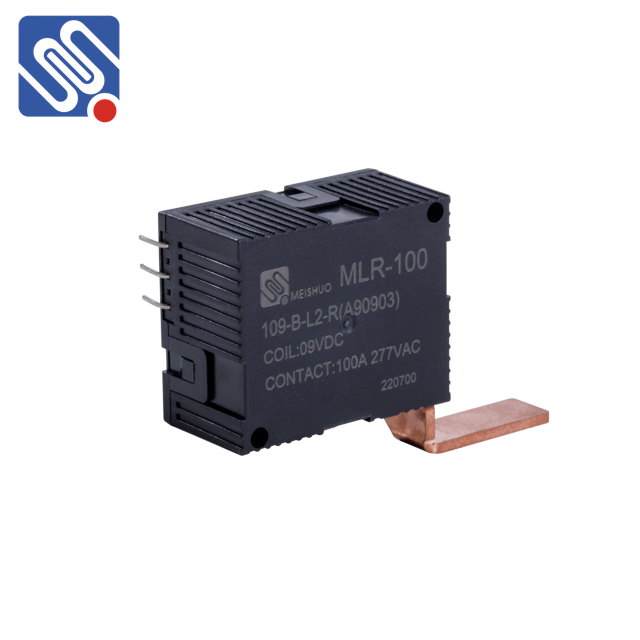
What is an Automatic Relay? An automatic relay is an electrically operated switch that uses a control signal to initiate its operation. The basic function of a relay is to either make or break an electrical circuit, often in response to a condition such as a change in voltage, current, temperature, or time. These devices can be employed to either open or close contacts, allowing them to act as switches for larger electrical loads that would be difficult or dangerous to manage manually. The core mechanism of an automatic relay is based on electromagnetic induction or solid-state technology. When a control current flows through the relay coil, it generates a magnetic field that attracts a movable armature, which in turn opens or closes the contacts of the relay. In some cases, modern relays use semiconductor components like transistors or thyristors to achieve similar functions without mechanical moving parts.