The Plastic Water Solenoid Valve is an essential component in many modern systems that require automatic water flow control. With its electrically controlled mechanism, this valve provides an efficient and reliable solution for managing water flow in various applications, including irrigation, household appliances, and industrial systems. In this article, we will explore the key features, advantages, and applications of plastic water solenoid valves, shedding light on why they are becoming increasingly popular across diverse industries.
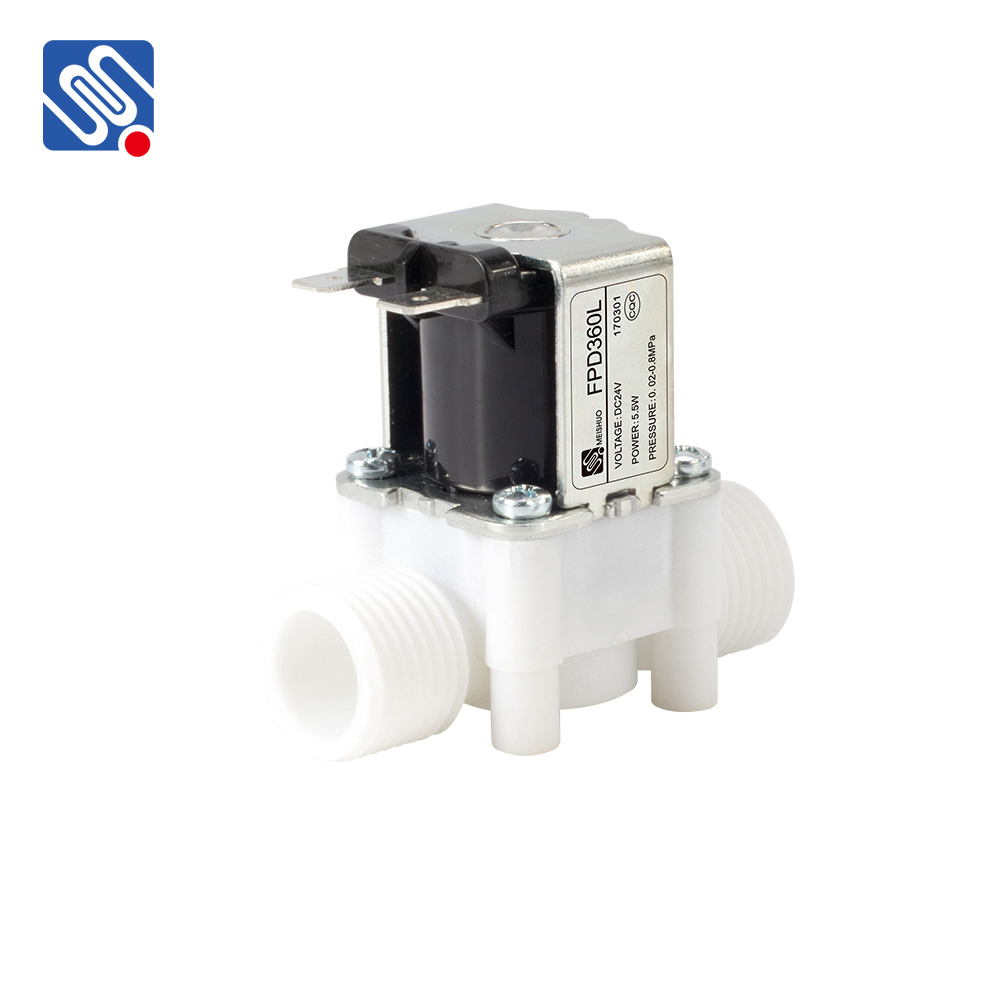
1. Understanding Plastic Water Solenoid Valves A Plastic Water Solenoid Valve is an electromechanical device used to control the flow of water through a pipeline. The valve operates by using an electromagnetic coil to open or close the valve’s orifice, which allows water to either flow through or be blocked. When electricity is supplied to the solenoid coil, it generates a magnetic field that moves a plunger or diaphragm inside the valve, changing its position to control the water flow.
These valves are typically designed to be either Normally Open (NO) or Normally Closed (NC). Normally Open (NO) valves are open when no electricity is applied, and they close when the solenoid is energized.