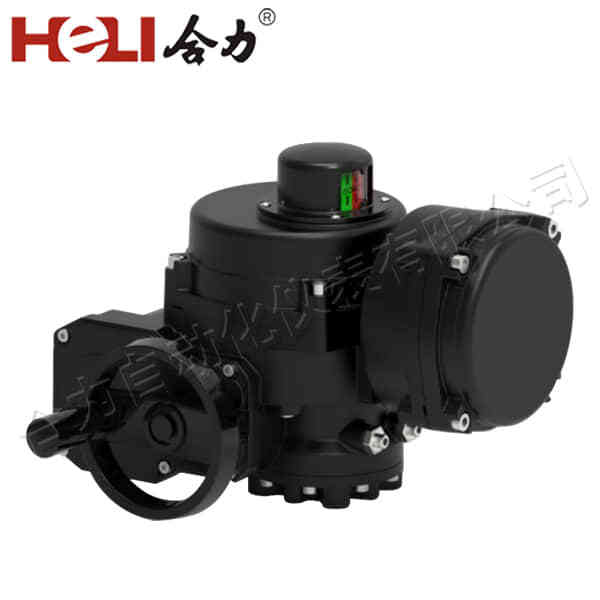
Electric actuators for valves are integral components in modern industrial automation systems, offering enhanced precision, efficiency, and control. These devices have become indispensable across industries such as oil and gas, water treatment, chemical processing, and HVAC, among others. By converting electrical energy into mechanical motion, electric actuators provide precise valve positioning that plays a crucial role in regulating fluid and gas flow in pipelines and machinery. This article explores the functions, advantages, applications, and key considerations in selecting electric actuators for valve control.
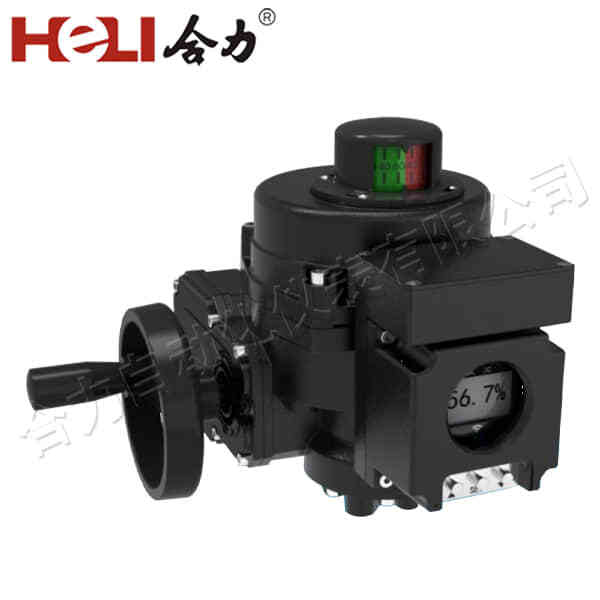
Functionality and Operation
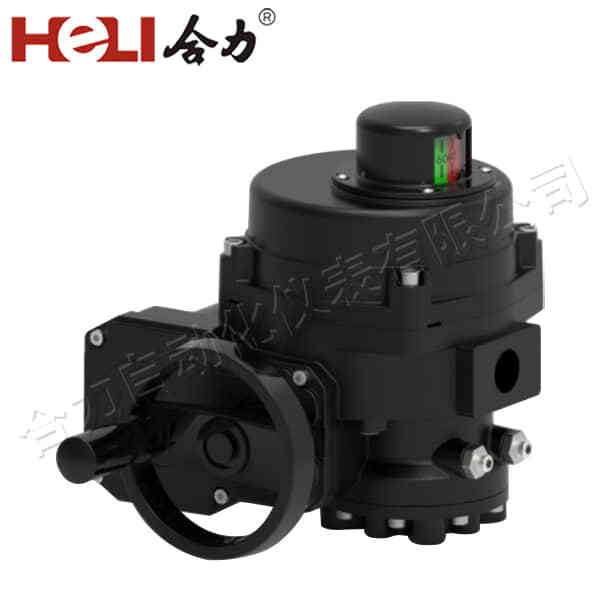
An electric actuator is an electromechanical device that operates valves by converting electrical energy into linear or rotary motion. In the case of linear actuators, the motion is typically used for globe or gate valves, where the valve stem moves up and down. On the other hand, rotary actuators are used to control valves like ball, butterfly, or plug valves, where the actuator rotates to open or close the valve. The actuator is powered by an electric motor, often connected to a gearbox that reduces the motor’s speed while amplifying its torque. The combination of these components allows the actuator to control the valve’s position accurately. Some electric actuators are also equipped with positioners and limit switches that help control the exact valve positioning and prevent over-rotation, ensuring reliable performance over time.