Relay performance metrics are essential indicators used to evaluate the effectiveness, efficiency, and durability of relays in electrical and electronic systems. Relays are widely used to control circuits, isolate different parts of a system, and switch electrical signals on and off. The performance of a relay directly affects the overall system’s reliability, safety, and response time. Therefore, understanding these metrics is crucial when selecting a relay for specific applications. This article will explore the primary relay performance metrics that determine the quality and functionality of a relay in various settings.
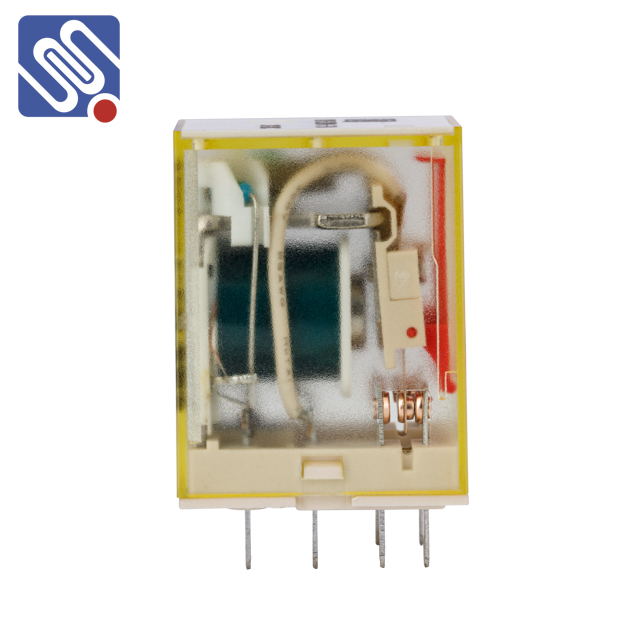
1. Contact Resistance Contact resistance refers to the electrical resistance between the relay’s contact points when the relay is in the “closed” state. A lower contact resistance is ideal because it ensures minimal energy loss, efficient power transfer, and better long-term performance. Excessive contact resistance can cause heating, power loss, and reduced contact life. Hence, this metric is crucial in applications requiring high efficiency and reliability. 2. Contact Rating Contact rating is the maximum voltage and current that the relay’s contacts can handle safely without being damaged. It is usually specified in terms of maximum current (measured in amperes) and maximum voltage (measured in volts). The relay must be selected based on the operating environment, ensuring the contact rating is sufficient for the system’s needs. An over-rated relay may lead to unnecessary costs, while an under-rated one could risk system failures or even fire hazards.