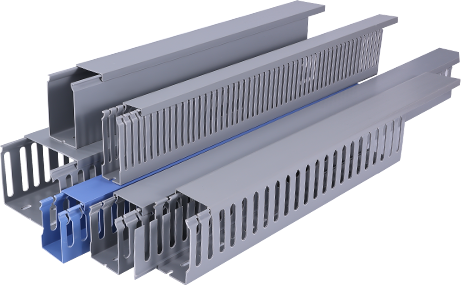
In the complex system of modern elevators, every small component plays a non-negligible role in ensuring safe and stable operation. Among these, elevator control circuit insulation sleeves are often overlooked by non-professionals, but their performance directly determines the safety of the entire elevator control system. As urban high-rise buildings continue to increase, elevators have become an indispensable part of daily life, and the demand for stable and safe elevator operation is also rising. This makes the research and application of high-quality elevator control circuit insulation sleeves more important than ever before, as they are the first line of defense against electrical faults and safety accidents.
First, it is necessary to clarify the core functions of elevator control circuit insulation sleeves. The elevator control circuit connects a large number of electrical components, including relays, contactors, wiring terminals and signal transmission lines, which carry different levels of voltage and current during operation. The main job of insulation sleeves is to wrap exposed conductive parts, prevent accidental contact between different conductive wires, and avoid short circuits caused by wire insulation damage. In addition, they also block direct contact between maintenance personnel and live components, effectively reducing the risk of electric shock accidents. Compared with general insulation materials, elevator control circuit insulation sleeves need to adapt to more complex working environments: they need to withstand long-term temperature changes, frequent vibration, and possible dust and oil pollution in the elevator shaft, so their insulation performance and mechanical strength must meet strict industry standards.
Secondly, the selection of materials for elevator control circuit insulation sleeves directly affects their service life and safety performance. Common materials used in the industry today include polyvinyl chloride (PVC), silicone rubber, cross-linked polyethylene (XLPE) and heat-shrinkable polyolefin. Each material has its own applicable scenarios: PVC insulation sleeves are widely used in low-voltage control circuits because of their low cost and good basic insulation performance, suitable for conventional elevator operating environments. Silicone rubber sleeves, on the other hand, have excellent high and low temperature resistance, can maintain stable insulation performance in environments ranging from -50℃ to 200℃, and are often used in high-temperature machine rooms or cold underground shaft environments. Cross-linked polyethylene and heat-shrinkable polyolefin sleeves have better mechanical strength and aging resistance, and can withstand long-term vibration and friction without cracking, which is very suitable for the control circuit parts near the elevator traction machine that are often affected by vibration. With the advancement of material technology, more and more flame-retardant and halogen-free environmentally friendly materials are used in the production of insulation sleeves, which not only improve fire safety, but also reduce the impact on the environment during production and recycling.
Furthermore, the installation and quality inspection of elevator control circuit insulation sleeves also have strict operating specifications. Even if high-quality materials are selected, non-standard installation will greatly reduce the protective effect of insulation sleeves. In actual installation, workers need to select insulation sleeves with appropriate inner diameter and wall thickness according to the diameter of the wire bundle. If the inner diameter is too large, the sleeve will loosen and shift, which cannot completely wrap the conductive part; if it is too small, it will cause difficulty in installation and may damage the insulation layer of the original wire. After installation, professional inspectors need to conduct insulation resistance tests to ensure that the insulation resistance meets the safety standards specified by the national electrical code. Regular inspection and maintenance during elevator operation are also essential. Aging, cracking or oil erosion of insulation sleeves need to be found and replaced in time to avoid potential safety hazards. According to elevator safety statistics, a considerable number of minor electrical faults in elevators are related to damaged or failed insulation sleeves, which shows that daily maintenance of these small components cannot be ignored.
In addition, with the development of intelligent elevators, the requirements for elevator control circuit insulation sleeves are also constantly improving. Modern intelligent elevators are equipped with a large number of signal transmission lines and sensor lines, which require insulation sleeves not only to provide basic electrical insulation, but also to have certain anti-electromagnetic interference performance to avoid signal distortion affecting the normal operation of intelligent control systems. New modified insulation sleeve materials with electromagnetic shielding function have been developed and applied, which can well protect weak signal lines from the interference of strong current circuits, ensuring the stability of intelligent elevator control. At the same time, the promotion of energy-saving elevators also puts forward higher requirements for the aging resistance and low temperature resistance of insulation sleeves, promoting the continuous innovation of material technology in this field.
In conclusion, elevator control circuit insulation sleeves are small but critical components in the entire elevator system. Their quality, material selection, installation and maintenance are directly related to the safe and reliable operation of elevators, and also related to the personal safety of passengers and maintenance personnel. With the continuous development of the elevator industry, the requirements for insulation sleeves will continue to increase, and the research and development of higher-performance, more environmentally friendly and safer insulation sleeve products will always be an important direction for the elevator component industry. For elevator manufacturers, maintenance companies and regulatory authorities, paying attention to the quality of this small component is an important part of ensuring elevator safety, which should not be underestimated.