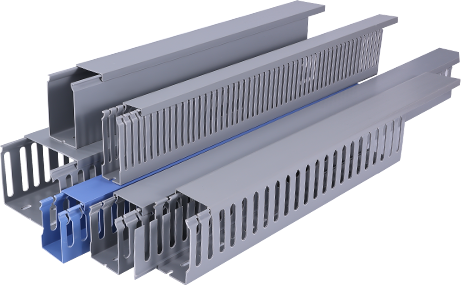
When planning commercial or residential electrical wiring projects, PVC wire ducts have long been the go-to solution for organizing cables and protecting wiring from damage. However, changing project requirements, sustainability goals, and specific environmental constraints have led many electricians and project managers to seek reliable alternatives that can match or outperform traditional PVC options. Understanding the top PVC wire duct alternatives and how to choose the right one for your project can save you time, reduce long-term maintenance costs, and help you meet modern industry standards. This guide breaks down the most popular alternatives, their key benefits, and practical tips for selecting the best option for your specific needs.
First, it is important to understand why many professionals are turning away from traditional PVC wire ducts in recent years. While PVC is affordable and easy to install, it has several notable drawbacks that make it a poor fit for certain projects. PVC is a plastic derived from fossil fuels, which does not biodegrade easily and can release toxic chemicals when burned during disposal or in the event of a fire. It also has limited temperature resistance, becoming brittle in cold environments and softening when exposed to sustained high heat, which can compromise its structural integrity over time. For projects with strict sustainability requirements or special environmental conditions, these drawbacks make alternatives a more attractive choice.
One of the top PVC wire duct alternatives gaining traction in the industry is galvanized steel wire duct. Galvanized steel offers unmatched structural strength and fire resistance, making it ideal for commercial buildings, industrial facilities, and data centers where fire safety and long-term durability are top priorities. Unlike PVC, steel does not deform under high temperatures, and it does not release toxic fumes when exposed to heat, helping building owners meet strict fire code requirements. Galvanized steel also provides excellent electromagnetic shielding, which is a major benefit for data centers and facilities with sensitive electronic equipment that can be disrupted by electromagnetic interference. The only downside of steel wire duct is its higher upfront cost and heavier weight, which can make installation more labor-intensive. For long-term projects, however, the extended lifespan and low maintenance requirements of galvanized steel often offset the initial investment.
Another popular alternative that balances cost and performance is halogen-free polypropylene (PP) wire duct. This thermoplastic option addresses many of the sustainability and safety issues of traditional PVC, while remaining more affordable than metal alternatives. Halogen-free PP does not contain chlorine or other toxic halogens, so it releases far less toxic smoke and fumes in the event of a fire, making it a great choice for public buildings, schools, and healthcare facilities where occupant safety is critical. It is also more lightweight than steel, easier to cut and install on site, and has better resistance to moisture and chemical corrosion than PVC. Many manufacturers now produce halogen-free PP from recycled materials, making it a more eco-friendly option for projects focused on reducing carbon footprint. For general indoor wiring projects that require better safety than PVC without the higher cost of metal, halogen-free PP is an excellent middle ground.
Additionally, for outdoor and underground wiring projects, high-density polyethylene (HDPE) wire duct stands out as a top alternative to PVC. HDPE has exceptional resistance to UV radiation, moisture, and soil chemicals, which makes it far more durable than PVC when exposed to the elements. Unlike PVC, which can crack and degrade after a few years of direct sunlight exposure, HDPE maintains its flexibility and structural integrity for decades in outdoor conditions. It is also resistant to root intrusion, which makes it ideal for underground utility wiring projects. HDPE is lightweight and can be installed in long continuous sections without many joints, reducing the risk of water seepage and shortening installation time. It is also fully recyclable, making it a more sustainable choice than traditional PVC for outdoor applications.
When selecting the right alternative for your project, there are a few key tips to keep in mind. First, assess your project’s core requirements: if fire safety and structural strength are your top priorities, galvanized steel is the best choice. If you need an affordable, eco-friendly option for general indoor use, halogen-free PP will meet your needs. For outdoor or underground projects, HDPE is the clear winner. Second, check local building codes and sustainability requirements, as many regions now restrict the use of PVC in certain types of buildings due to its environmental and safety impacts. Finally, work with a reputable supplier that can provide product specifications and third-party testing to confirm the performance of the alternative you choose.
Overall, there are many high-quality alternatives to traditional PVC wire duct that can better fit the needs of modern wiring projects. Whether you prioritize sustainability, fire safety, durability, or cost, there is an option that can meet your requirements. By understanding the benefits of each top alternative and following simple selection tips, you can make an informed decision that will serve your project well for years to come.