A General-purpose relay is a key component used in electrical systems to control circuits through a low-power input that activates a high-power output. These devices are essential in a wide variety of applications, from industrial automation to household appliances, providing an effective and reliable method of switching electrical loads. In this article, we will explore the basic working principle of general-purpose relays, their applications, and the reasons for their widespread use in modern electrical control systems.
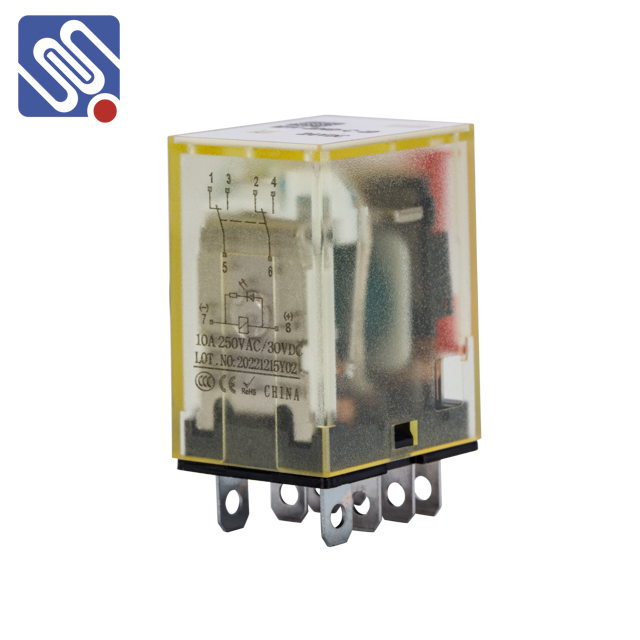
What is a General-purpose Relay? At its core, a general-purpose relay is an electromagnetic switch that operates by using an electrical signal to control the flow of electricity in a separate, often higher-power, circuit. The relay consists of an electromagnet (the coil), a set of contacts, and a spring mechanism. When an electric current is passed through the coil, it generates a magnetic field that attracts or repels a movable armature, causing the contacts to either open or close, thus completing or interrupting the circuit. Relays come in various configurations, with normally open (NO) and normally closed (NC) contacts being the most common. NO contacts are open when the relay is not activated, and they close when the relay is energized. Conversely, NC contacts are closed when the relay is not energized and open when the relay is activated.