Relay load refers to the electrical load that a relay is designed to handle when it controls an electrical circuit. A relay is an electromechanical switch that allows a low-power signal to control high-power circuits. This makes it an essential component in a variety of electrical and electronic applications, from household appliances to industrial machinery. The concept of relay load is critical because it determines the capacity and performance of the relay in real-world applications.
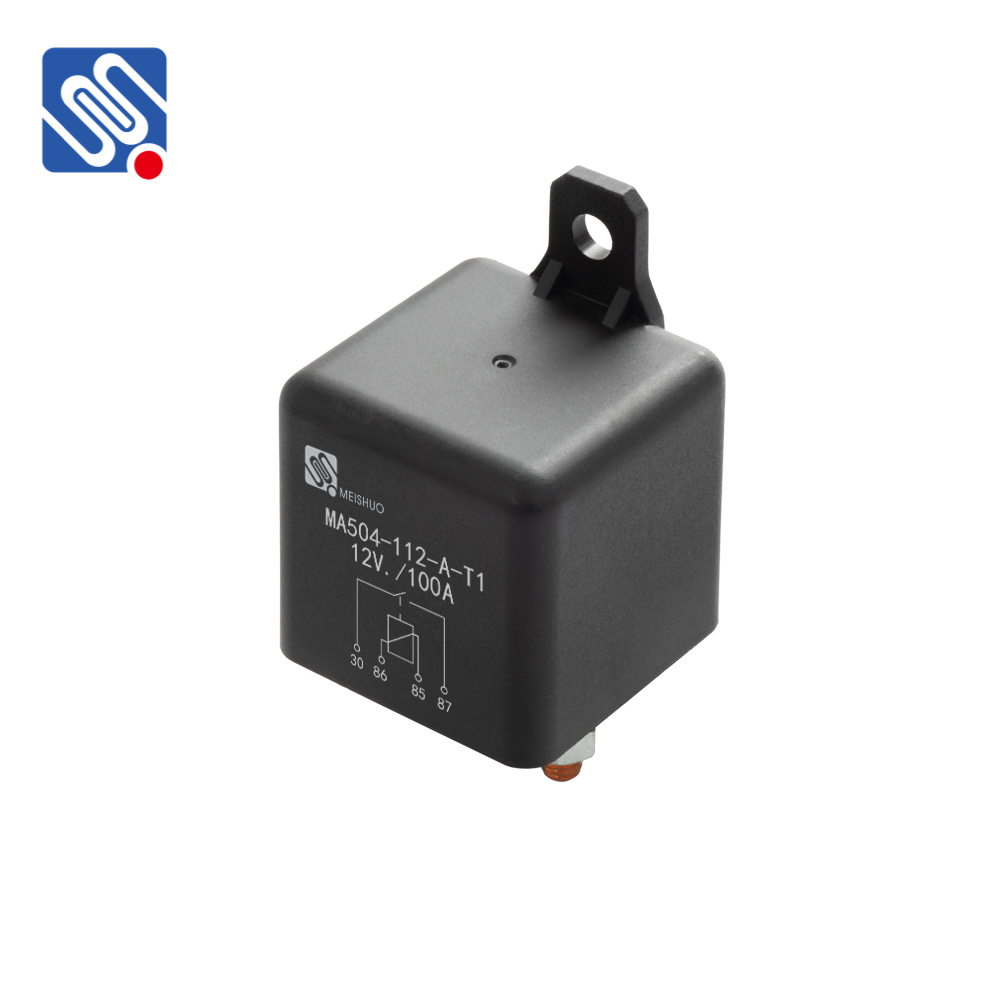
1. What is Relay Load? A relay operates by using a low-voltage current to control a higher voltage circuit. When the relay coil is energized, the contacts close or open, thereby completing or breaking the circuit. The relay load refers to the electrical characteristics of the circuit that the relay is controlling, including the voltage, current, and type of load. A relay can be used to switch different kinds of loads, such as resistive, inductive, or capacitive. Resistive Loads: These are loads that primarily involve resistance, such as electric heating elements or light bulbs. Resistive loads cause a straightforward current flow and are usually less stressful on relays compared to other types of loads.