In today’s world, where efficient water management has become a critical aspect of infrastructure development, the role of valves in water systems cannot be overstated. Among the various types of valves available, plastic valves have gained popularity due to their unique advantages. This article explores the characteristics, types, benefits, and applications of plastic valves for water systems, shedding light on why they are an excellent choice for various water management scenarios.
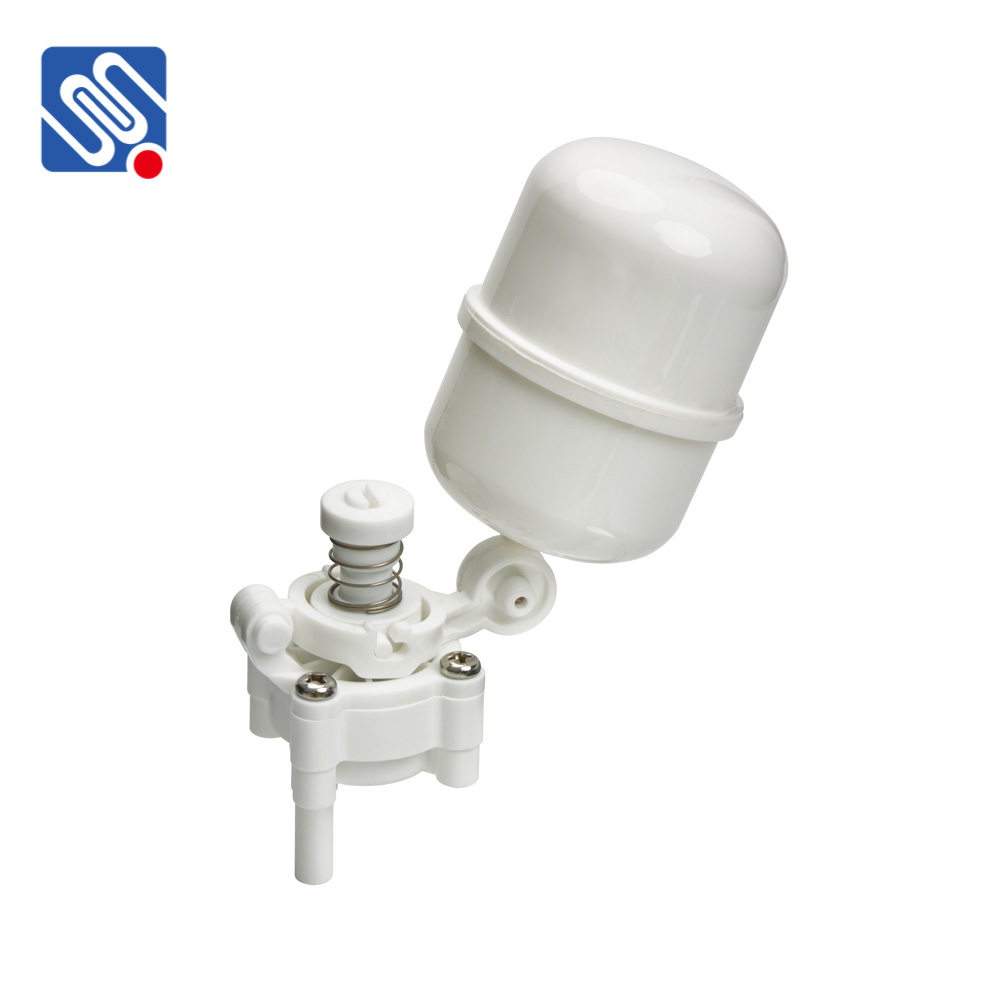
What are Plastic Valves? Plastic valves are specialized devices used to control the flow, pressure, and direction of fluids in various systems, particularly in water distribution. Made from materials such as polyvinyl chloride (PVC), polypropylene (PP), and polyethylene (PE), these valves provide a lightweight and corrosion-resistant alternative to traditional metal valves. Their versatility makes them suitable for a wide range of applications in both residential and industrial water systems. Types of Plastic Valves Plastic valves come in several designs, each catering to different functions and requirements. The primary types include: