A Direct Acting Solenoid Valve is a type of valve that uses the force generated by an electromagnetic coil to directly move the valve’s internal components, such as a plunger or valve seat. Unlike other types of solenoid valves, such as pilot-operated valves, which require the assistance of fluid pressure to function, the direct acting solenoid valve operates solely on the electromagnetic force provided by the coil. This feature makes it highly effective for controlling fluid flow in low-pressure systems and for precise, quick-response applications.
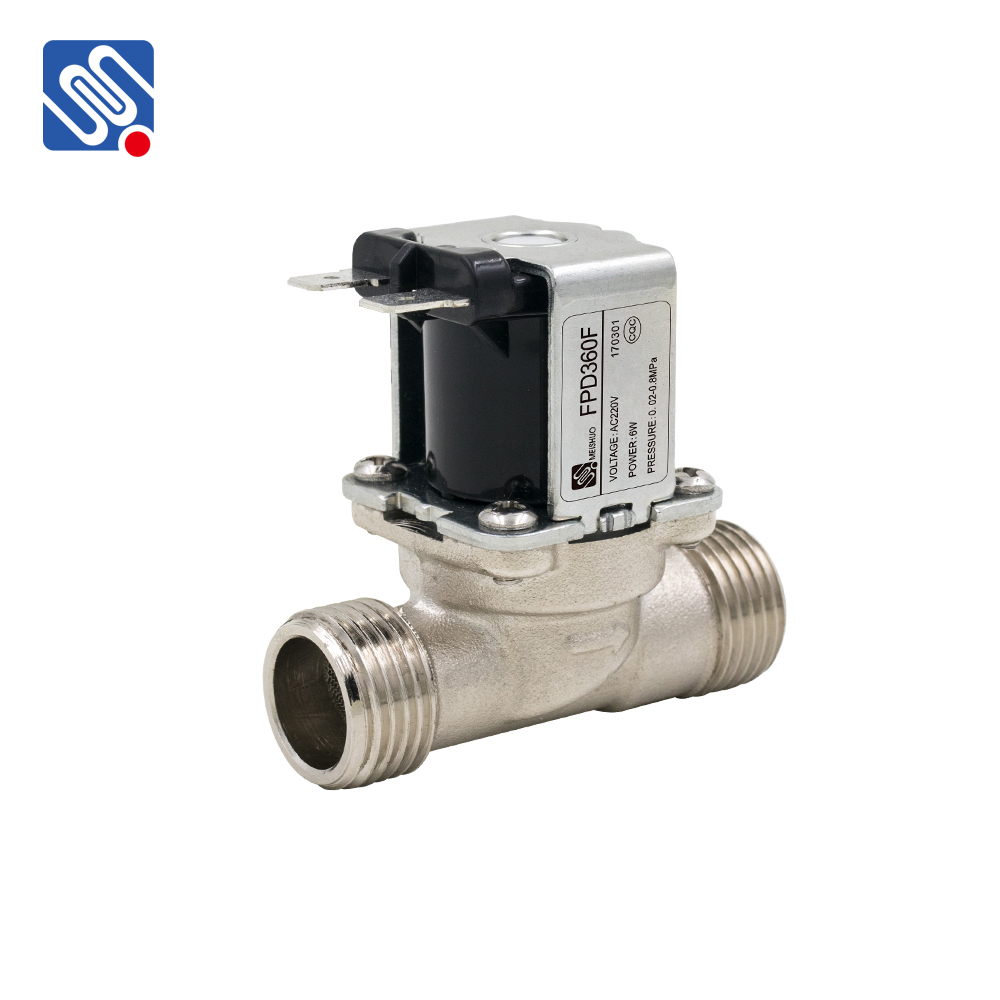
How Does a Direct Acting Solenoid Valve Work? The operation of a direct acting solenoid valve is quite simple and relies on a few key components: the solenoid coil, a movable valve element (usually a plunger), a spring, and the valve body. When an electric current passes through the solenoid coil, it generates a magnetic field that pulls the plunger. The plunger then either opens or closes the valve, depending on the configuration. Once the current is turned off, the magnetic field disappears, and the spring pushes the plunger back to its original position, thus closing the valve. This direct electromagnetic force makes the valve function independent of the fluid pressure in the system, which is why these valves can work in low-pressure conditions, or even in systems with no fluid pressure at all.