A Plastic Solenoid Valve is an essential component in many fluid control systems. It combines the principles of solenoid actuation with the use of durable plastic materials to manage the flow of liquids and gases. Known for its cost-efficiency, light weight, and chemical resistance, this valve type is widely used in various industries where standard metal valves might not be suitable. In this article, we will explore the working principles, applications, advantages, and limitations of plastic solenoid valves.
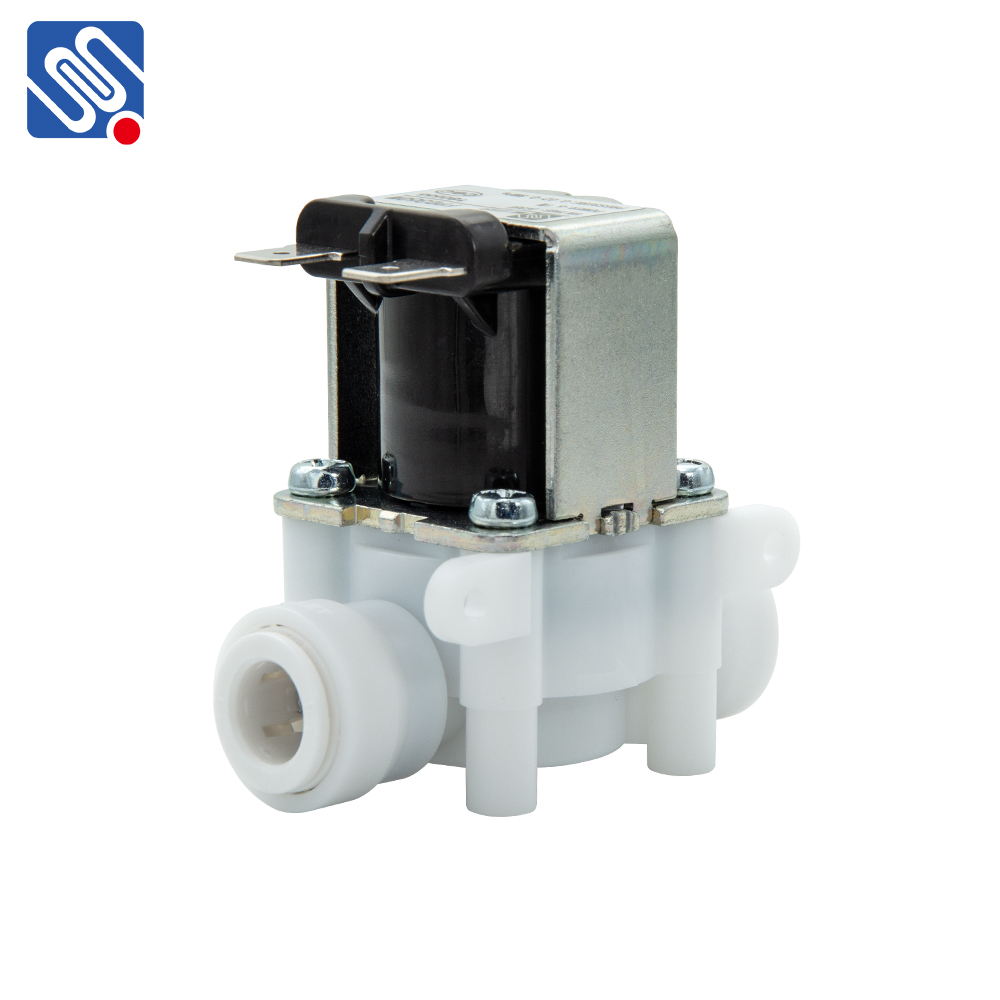
How Plastic Solenoid Valves Work A solenoid valve is a device that uses an electromagnet (solenoid) to control the flow of a fluid or gas. When current passes through the solenoid, it generates a magnetic field that moves a plunger, which opens or closes the valve. Plastic solenoid valves function on the same principle, with the critical difference being that the valve body and other components are made from plastic materials. Plastic solenoid valves can either be normally closed or normally open. In a normally closed valve, the valve remains closed when no power is supplied to the solenoid, and it opens when the solenoid is energized. In a normally open valve, the flow is allowed when the solenoid is off, and the valve closes when the solenoid is powered.