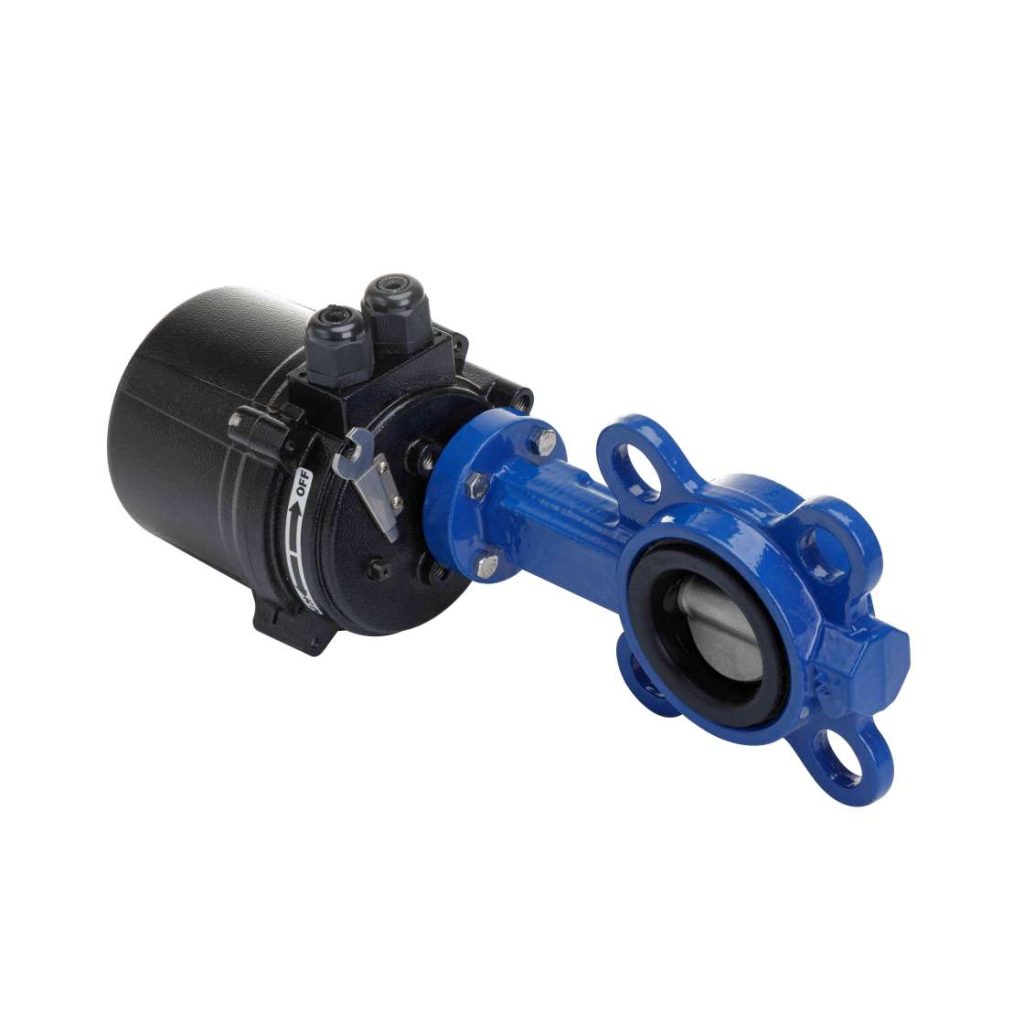
An electric butterfly valve is a crucial component in various industrial processes, playing an essential role in the regulation and control of fluid flow. Known for their efficiency, reliability, and ease of use, electric butterfly valves have become a preferred choice in industries like water treatment, oil and gas, HVAC systems, and chemical processing. This article will provide a detailed overview of electric butterfly valves, their working mechanism, advantages, applications, and considerations for selection.
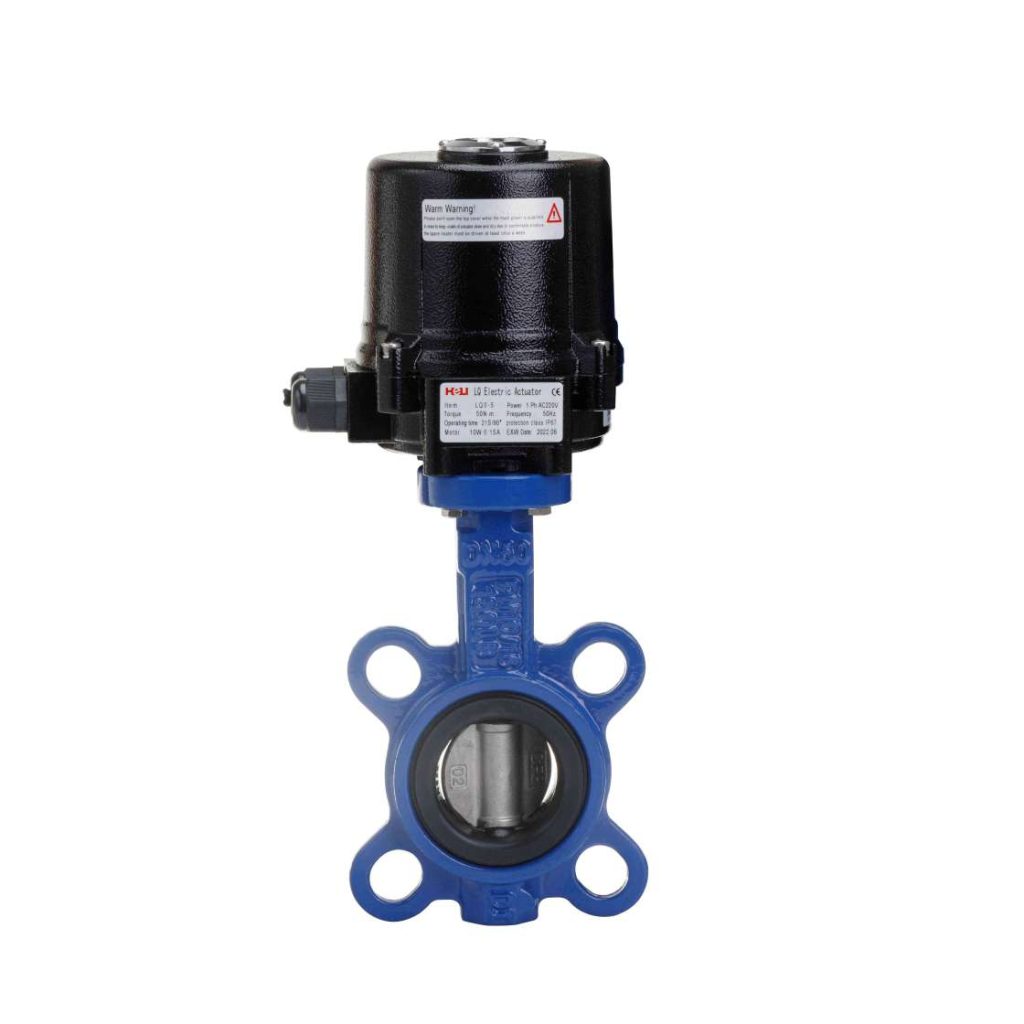
What is an Electric Butterfly Valve?
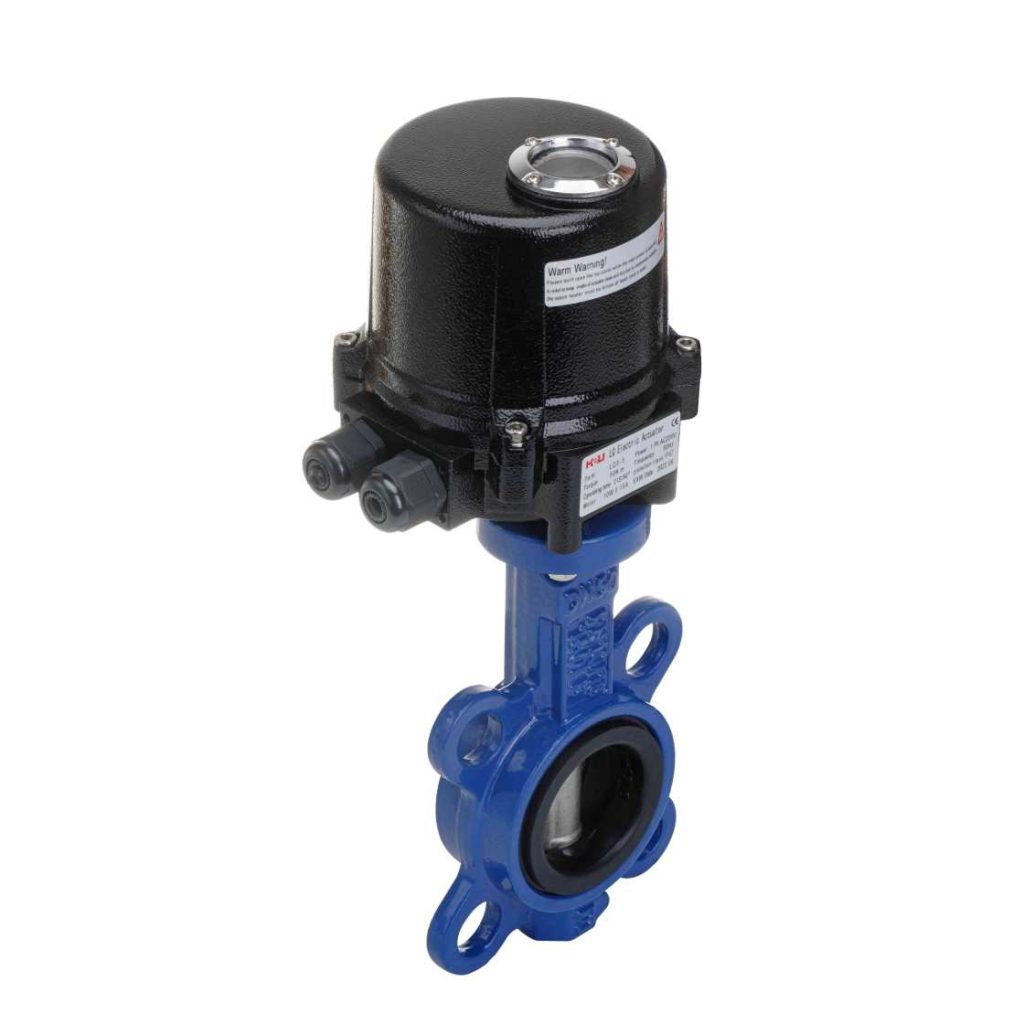
An electric butterfly valve consists of a circular disc or vane positioned within a pipe to regulate the flow of liquids or gases. The valve’s design is simple yet effective: when the valve is closed, the disc blocks the flow path, while opening it allows the fluid to pass through. The “electric” aspect of this valve refers to the motorized actuator that controls the valve’s opening and closing. This actuator is powered by electricity, which makes the operation more automated and precise compared to manual valves. How Does an Electric Butterfly Valve Work? The operation of an electric butterfly valve is driven by an electric actuator, typically powered by either AC or DC electricity. When the actuator receives an electrical signal, it turns the valve stem, causing the attached disc to rotate. The rotational movement of the disc controls the amount of flow through the pipe. The valve can be set to a fully open or fully closed position, or anywhere in between, depending on the degree of flow required.