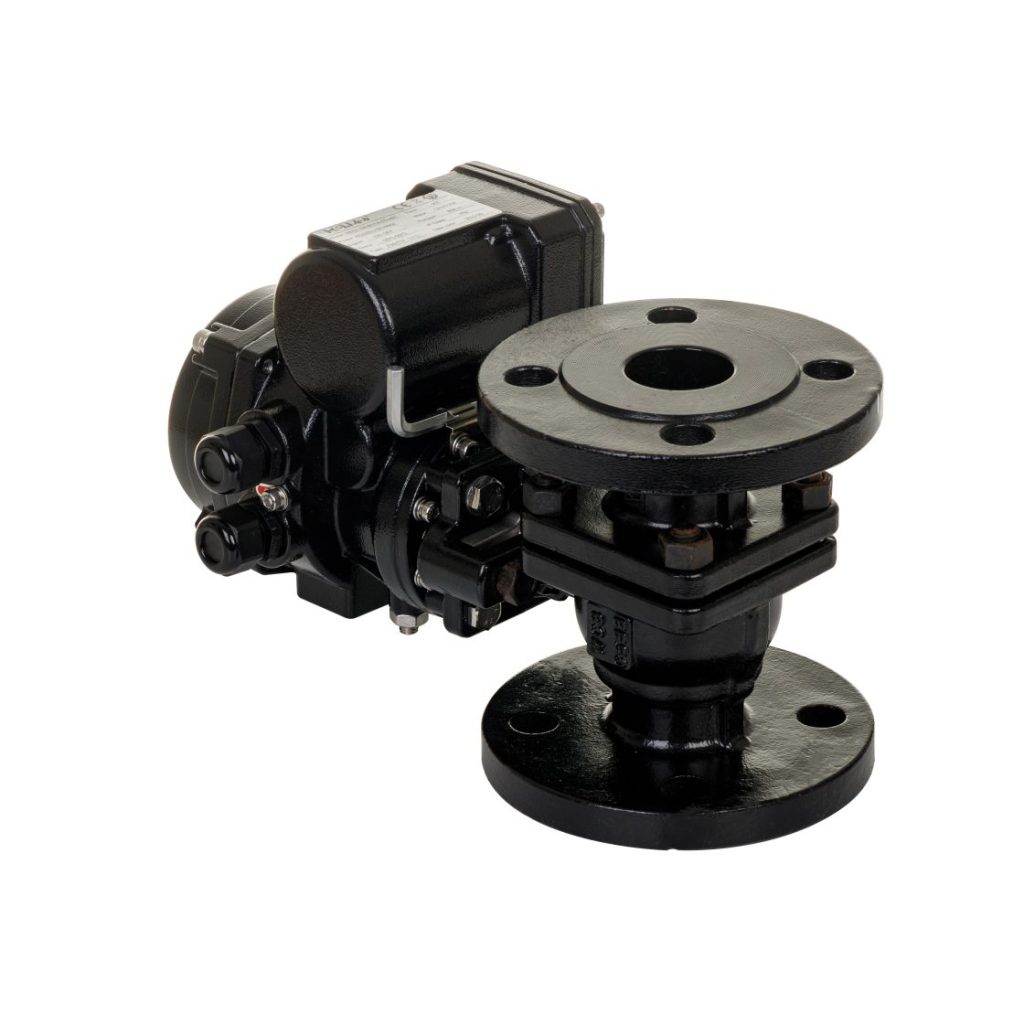
As the world transitions toward cleaner and more sustainable energy sources, hydrogen energy has gained significant attention as a promising alternative to conventional fossil fuels. Among the various components essential to the efficient and safe transportation and management of hydrogen, valves play a crucial role in regulating the flow of gases within pipelines and systems. In this context, the Hydrogen Energy Electric Flange Ball Valve stands out as a vital component that ensures optimal performance, safety, and reliability in hydrogen energy systems. This article delves into the importance of this valve, its functionality, and its role in supporting the growth of hydrogen energy infrastructure.
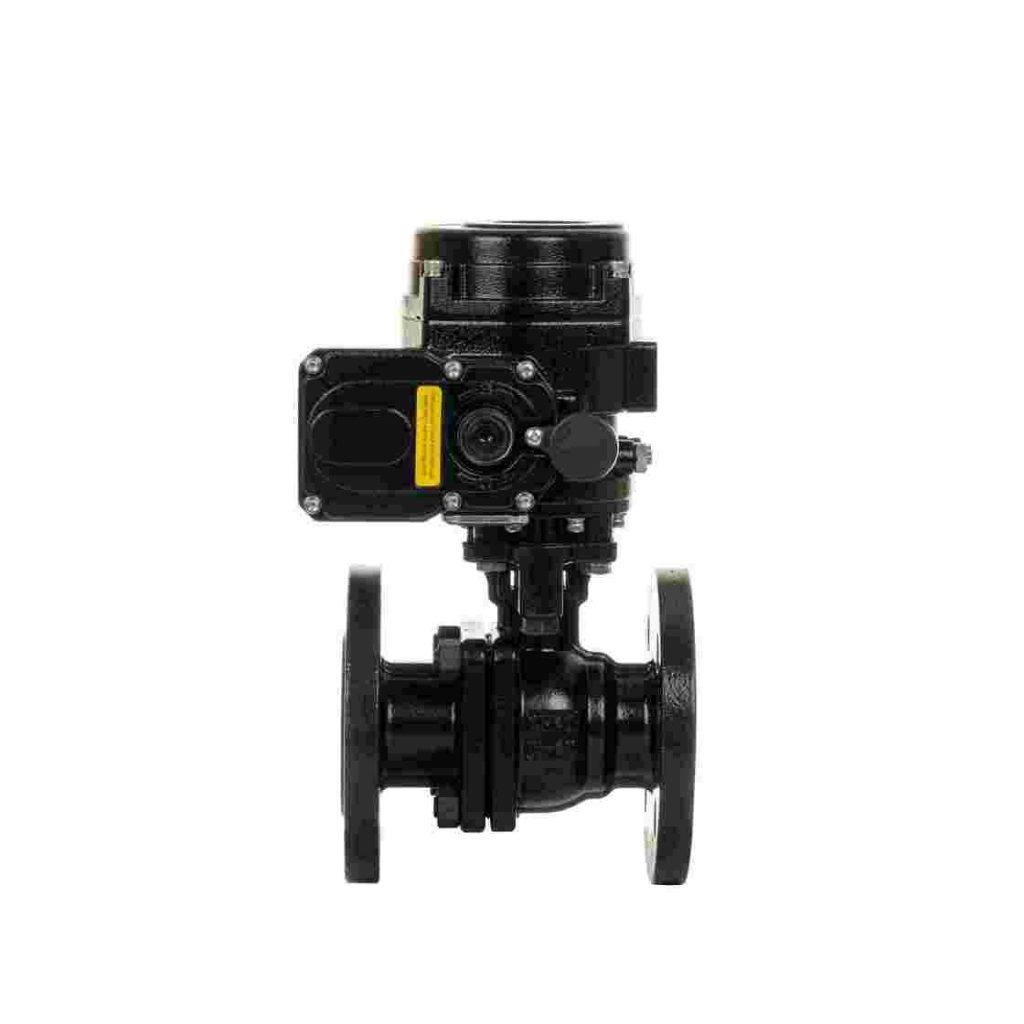
What is a Hydrogen Energy Electric Flange Ball Valve?
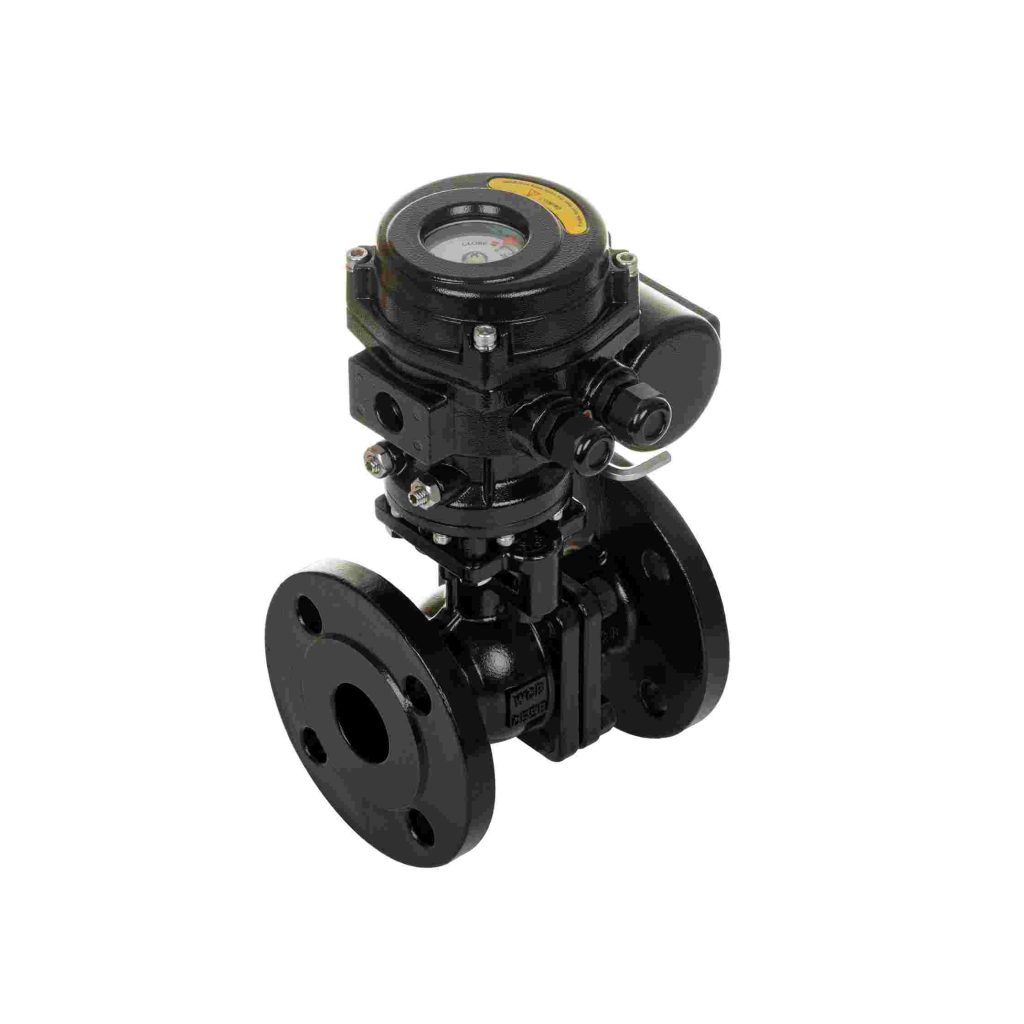
A Hydrogen Energy Electric Flange Ball Valve is a specific type of ball valve that is designed to operate efficiently in hydrogen-based energy systems. This valve is equipped with an electric actuator that controls the opening and closing of the valve, allowing for precise regulation of the gas flow. The term “flange” refers to the valve’s connection to pipelines or other equipment through a flange, which is a flat or raised ring that provides a secure and leak-proof connection between two parts. The core component of the ball valve is a spherical ball with a hole in the center. When the valve is open, the hole aligns with the pipeline, allowing gas to pass through. When the valve is closed, the hole is perpendicular to the pipeline, effectively blocking the flow. The electric actuator adds another layer of precision, as it can remotely control the position of the valve, offering enhanced convenience and operational efficiency.