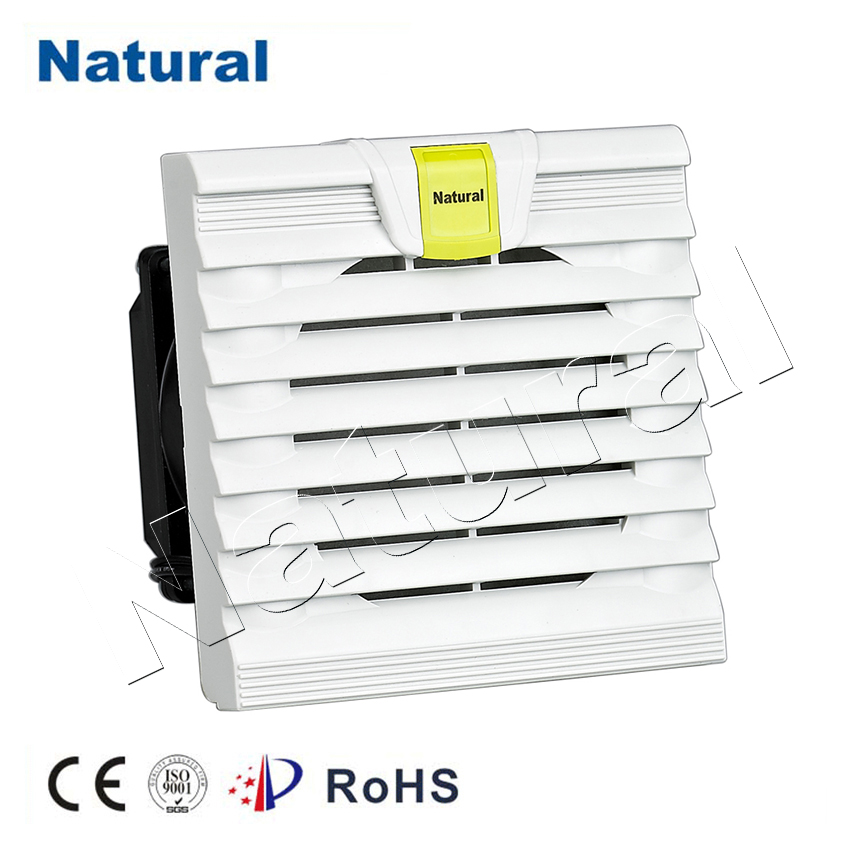
In the world of electronics, efficient cooling systems are crucial for ensuring the longevity and optimal performance of devices. Overheating can lead to malfunctioning, shortened lifespan, and even complete failure of sensitive components. Two commonly used cooling solutions for such purposes are the cabinet fan and the filter fan. While both serve the purpose of cooling, they each have distinct features and applications. This article will explore the functions, benefits, and differences between these two types of fans, and highlight why they are essential in managing heat within electronic enclosures.
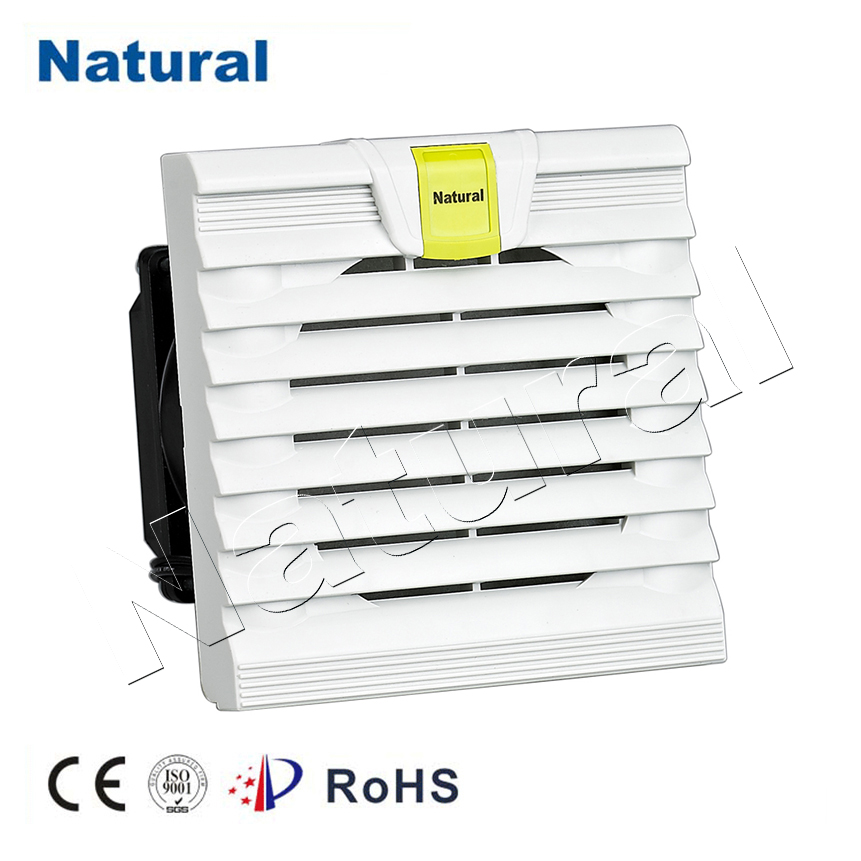
What is a Cabinet Fan?
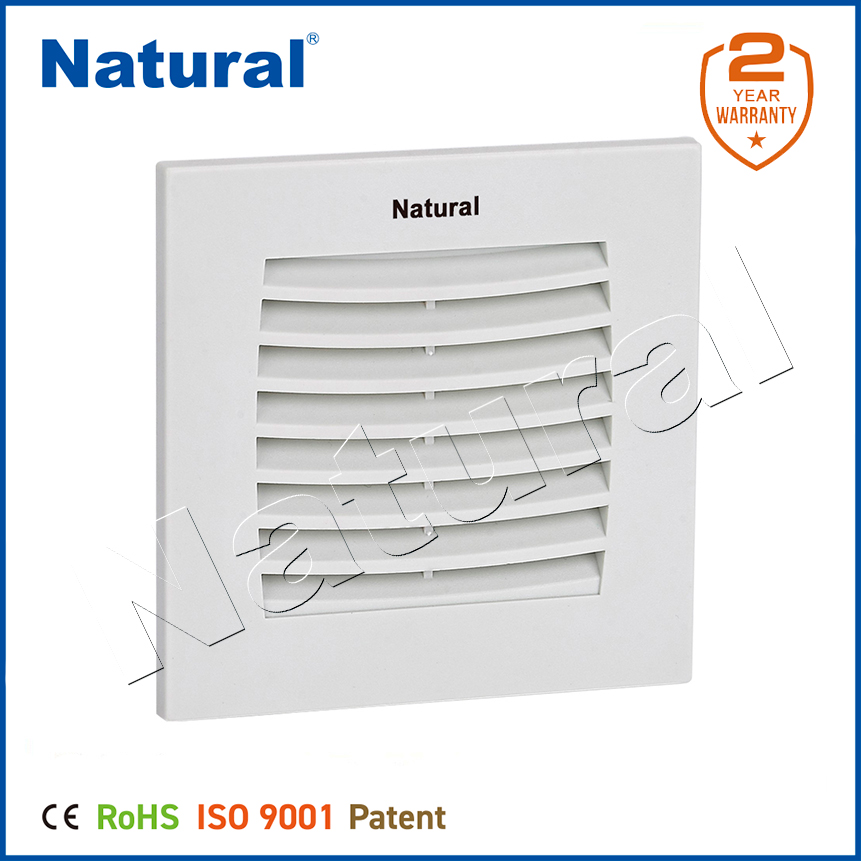
A cabinet fan is a ventilation system typically installed in enclosures such as server racks, electrical cabinets, or industrial control panels. Its primary function is to promote the circulation of air inside the enclosure, helping to remove hot air and introduce cooler air to maintain an optimal operating temperature for the components housed within the cabinet. Cabinet fans are commonly used in environments where devices generate significant heat during operation, such as data centers, power distribution systems, and manufacturing equipment. The role of the cabinet fan is essential because electronic devices tend to produce heat as they operate. Without adequate ventilation, the heat accumulates, potentially causing overheating, system instability, or hardware damage. A cabinet fan ensures that the internal temperature remains within a safe range, preventing such issues.