DC Solenoid Valves are crucial components in a wide range of fluid control systems, offering precise control over the flow of liquids and gases. These valves operate through an electromagnetic mechanism, where a direct current (DC) electrical current powers the solenoid to open or close the valve. In various industries, DC solenoid valves are used to automate and regulate fluid flow, providing high efficiency and reliable performance.
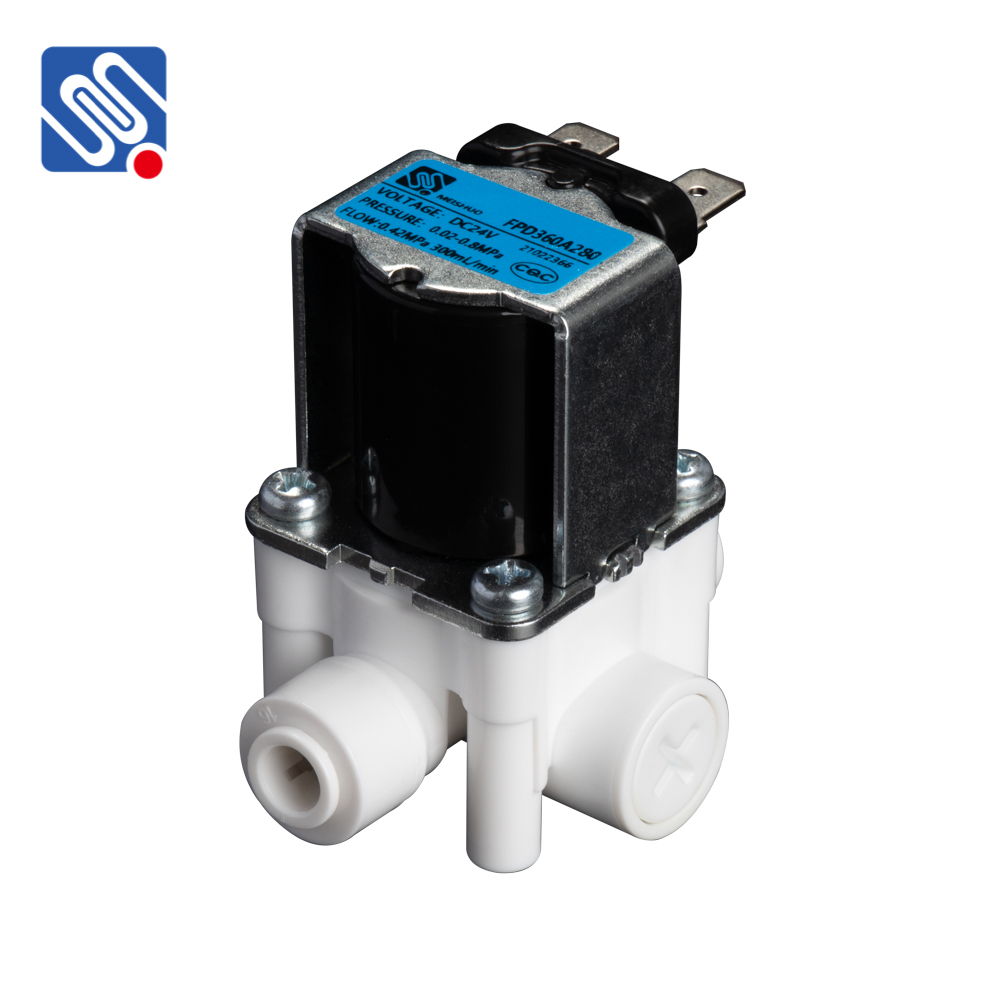
What is a DC Solenoid Valve? A DC Solenoid Valve is an electromechanical device that controls the flow of fluids through a pipe or system. It consists of two main parts: the solenoid coil and the valve body. The solenoid coil, when energized with a DC current, generates a magnetic field that moves a plunger or armature within the valve, opening or closing the valve seat. This allows the valve to control the passage of fluids, whether it be gas, liquid, or steam. DC solenoid valves are designed to operate with a direct current power supply, which distinguishes them from AC solenoid valves that require alternating current. The DC operation provides specific benefits, particularly when the application demands low power consumption and faster response times.