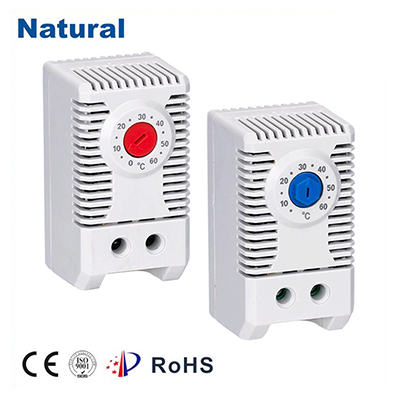
A bimetal thermostat is a widely used temperature control device that plays a crucial role in ensuring the proper functioning of various electrical and mechanical systems. From household appliances to industrial machinery, bimetal thermostats are employed to maintain safe and stable operating temperatures. In this article, we will explore the functionality of bimetal thermostats, how they work, and their diverse applications across different industries.
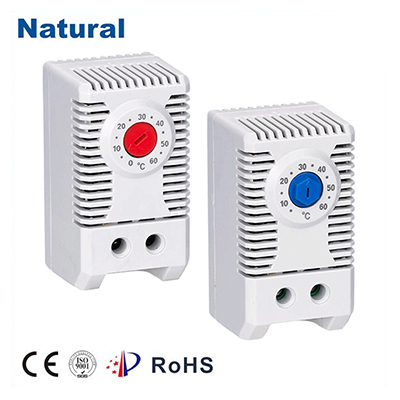
What is a Bimetal Thermostat?
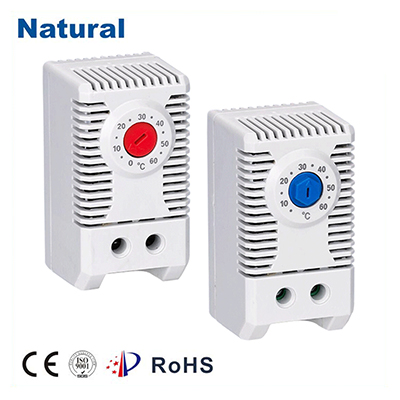
A bimetal thermostat is a temperature-sensitive switch composed of two different metals that are bonded together. These metals have different coefficients of thermal expansion, meaning they expand and contract at different rates when exposed to temperature changes. The bimetallic strip formed by these two metals bends as the temperature rises or falls, triggering an electrical switch to either open or close. This simple yet effective mechanism allows bimetal thermostats to control the temperature of various devices by regulating electrical circuits. How Does a Bimetal Thermostat Work?
The core principle behind the bimetal thermostat lies in the physical properties of metals. When the temperature increases, the metal with the higher coefficient of expansion expands more than the metal with a lower coefficient, causing the bimetal strip to bend. This bending action opens or closes a set of electrical contacts, turning a device on or off based on the temperature setting.