The WCB Electric Pinch Valve is a specialized valve designed to control the flow of fluids containing solids, abrasives, or corrosive substances. Unlike traditional valves, the electric pinch valve uses a flexible elastomer lining that pinches to block or allow the passage of fluid, providing excellent sealing properties and minimal maintenance. This valve has gained significant popularity across industries such as mining, chemical processing, wastewater treatment, and more due to its unique advantages. In this article, we will explore the key features, benefits, applications, and working principle of the WCB Electric Pinch Valve.
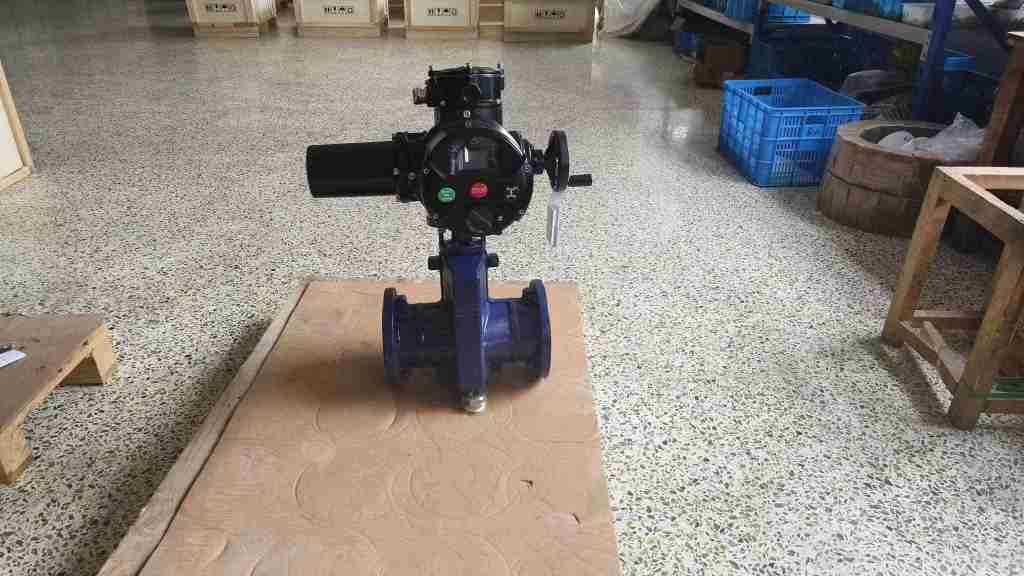
Key Features of WCB Electric Pinch Valve Electric Actuation for Precision Control: The WCB Electric Pinch Valve is driven by an electric actuator, providing precise, reliable, and automated control over the valve’s opening and closing. The electric control allows for integration into automated systems, enabling easy monitoring and regulation of fluid flow with minimal human intervention. Flexible Sealing Mechanism: The core feature of the pinch valve is its flexible elastomer liner, which forms a tight seal when the valve is closed. This liner can be made from a variety of materials such as rubber, polyurethane, or elastomers, which ensures that the valve is suitable for handling fluids with suspended solids, abrasive particles, or even highly corrosive chemicals. The flexible design enables the valve to create a tight seal without the wear and tear that occurs with mechanical valves.