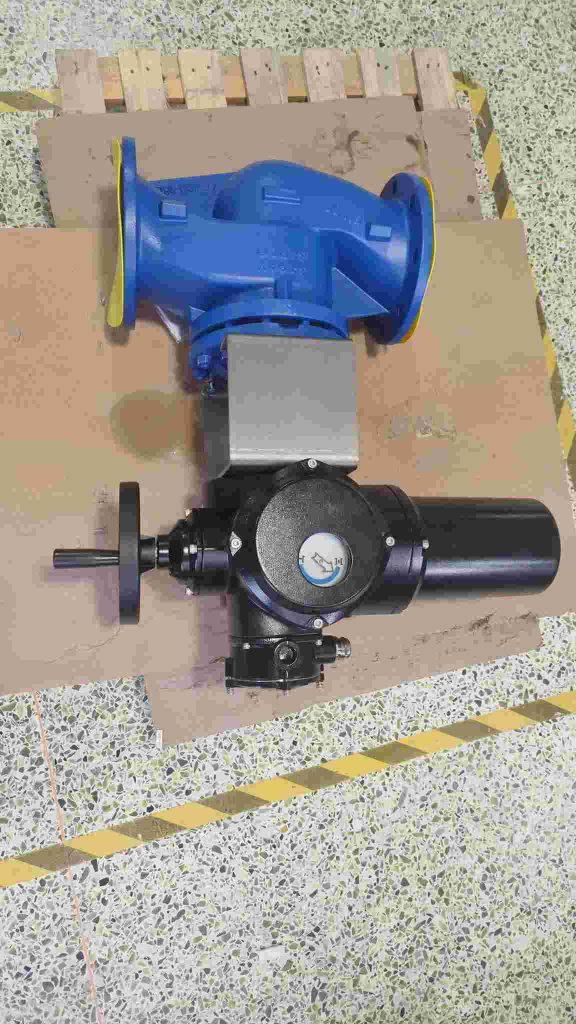
The Electric Globe Valve is a critical component in various industrial processes that require precise control of fluid flow. Unlike traditional manual valves, which require physical effort to open or close, electric globe valves use an electric actuator to automate the process. This makes them an ideal choice for systems that require remote control and accurate flow regulation. In this article, we will delve into the working principles, key features, applications, and benefits of the electric globe valve, highlighting its importance in modern fluid control systems.
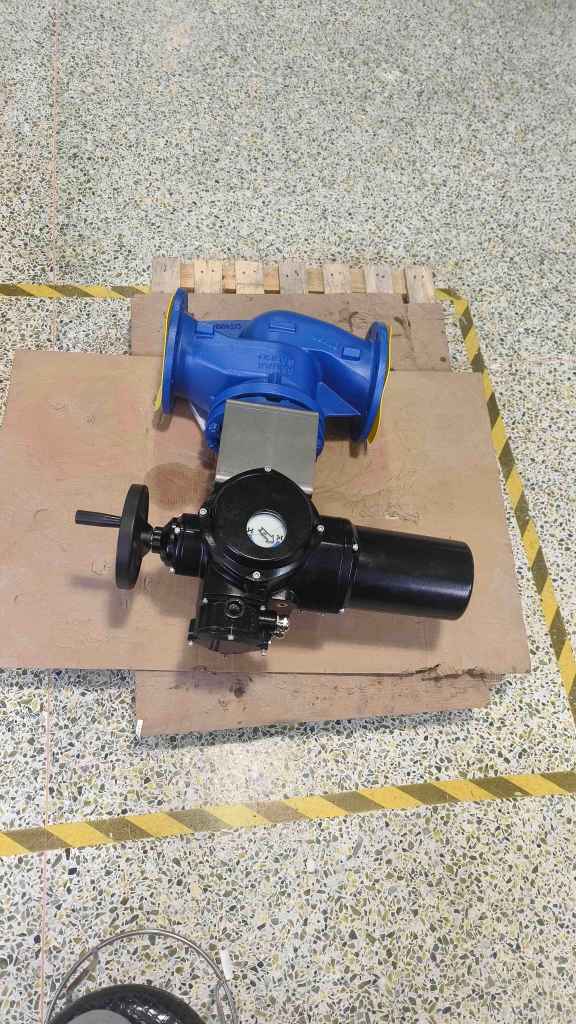
Working Principle of Electric Globe Valve
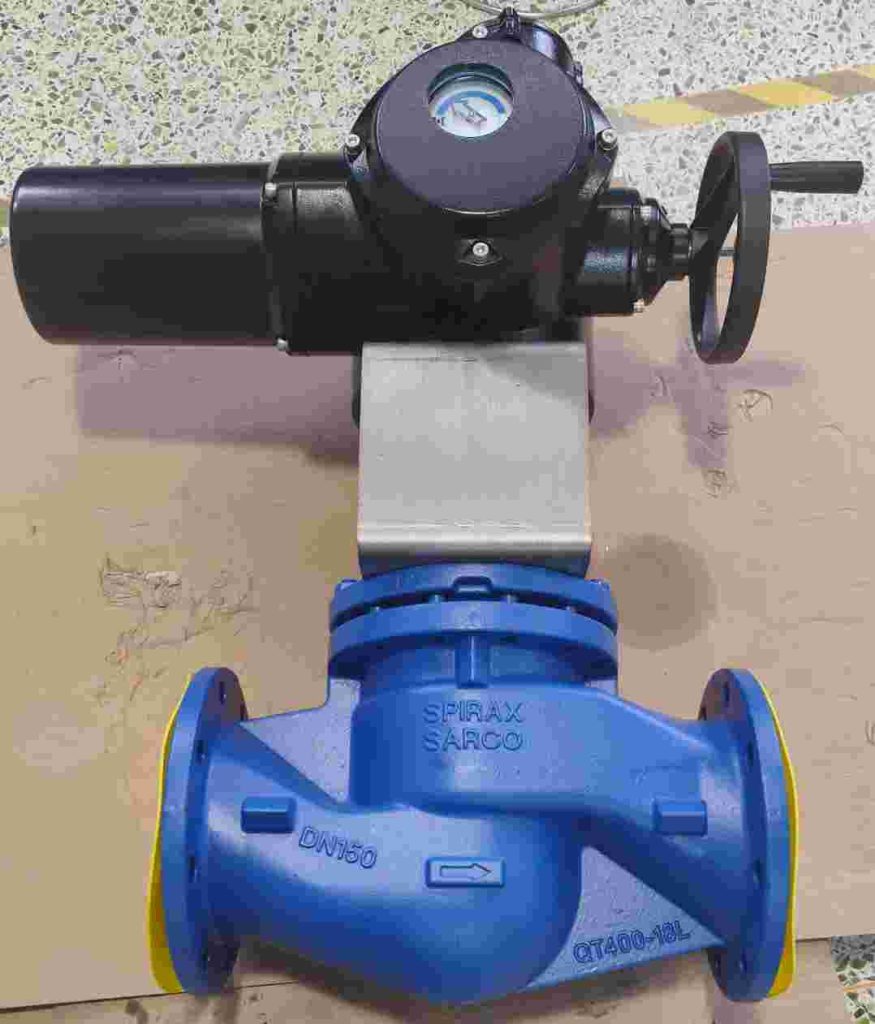
The electric globe valve consists of a valve body, a disc or plug, a seat, and an electric actuator. The actuator is connected to the valve mechanism and is responsible for opening and closing the valve. It receives an electrical signal (usually 4-20mA or 0-10V) from a control system, which corresponds to the desired position of the valve. The actuator then adjusts the valve’s opening, allowing for precise control over the fluid flow rate. In a typical globe valve, the fluid flows through the valve body, where the plug or disc moves up or down to control the size of the opening. In an electric globe valve, the actuator adjusts this movement, providing greater control over the flow compared to traditional manual valves. The key advantage of electric globe valves is their ability to make real-time adjustments based on feedback from sensors, enabling automated and precise control.