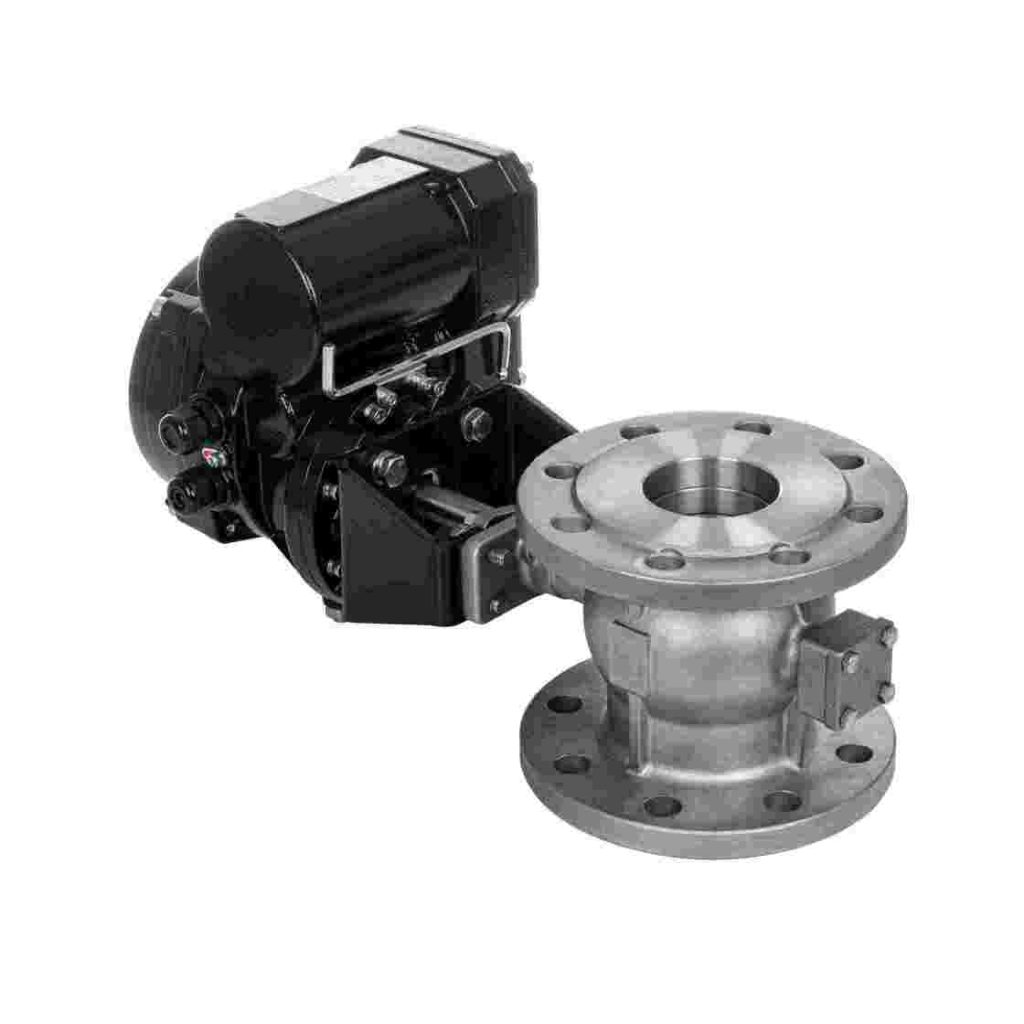
The quest for sustainable and clean energy sources has led to the rise of hydrogen as a prominent alternative. Hydrogen energy is considered one of the most promising solutions for decarbonizing various sectors, including transportation, industry, and power generation. One crucial aspect of integrating hydrogen into energy systems is the use of advanced technologies, and the hydrogen energy electric valve plays a vital role in this regard.
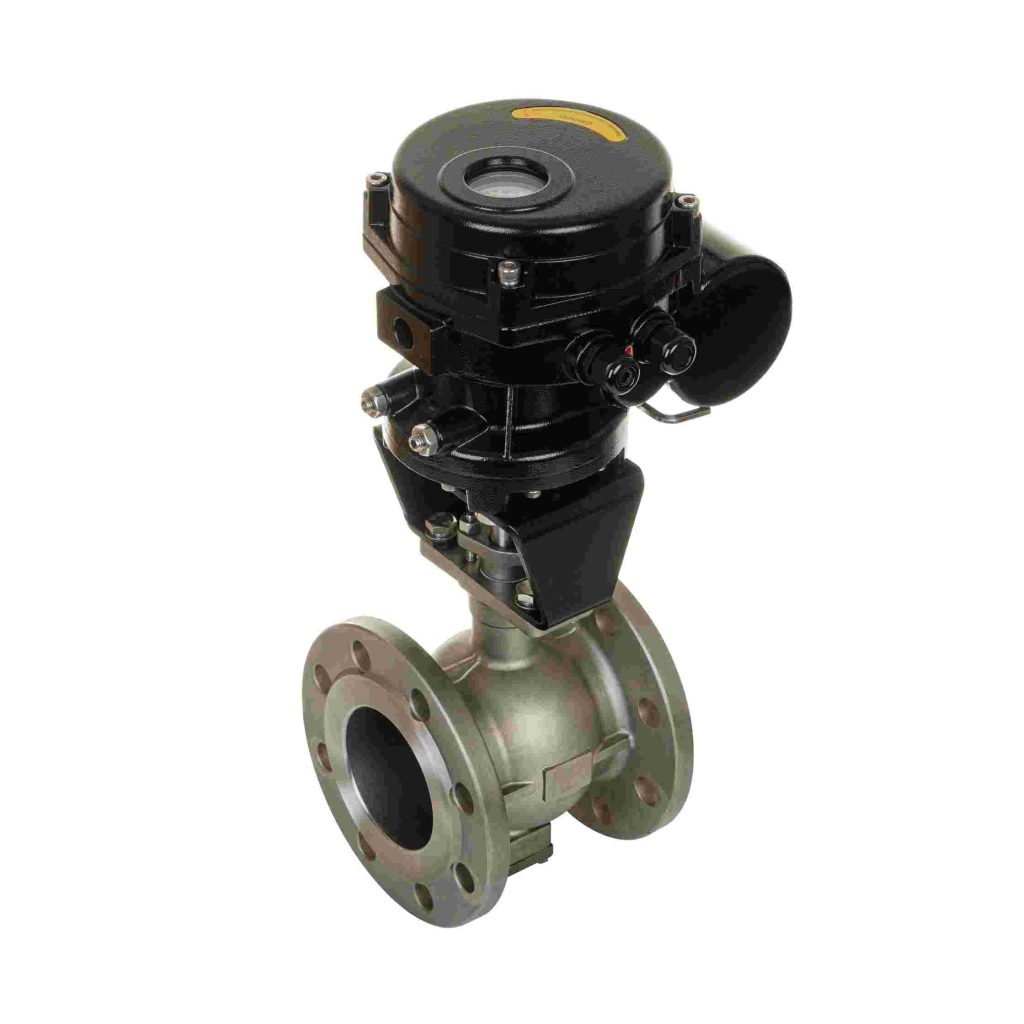
Understanding Hydrogen Energy Electric Valves

Hydrogen energy electric valves are specialized control devices designed to regulate the flow of hydrogen gas within energy systems. They are equipped with electric actuators that provide precise control over the valve operation, allowing for the safe and efficient handling of hydrogen. These valves are typically used in hydrogen production, storage, and distribution systems, ensuring that the hydrogen is transported and utilized effectively. Hydrogen, being highly flammable and requiring strict safety measures, presents unique challenges when it comes to its handling and transportation. Therefore, hydrogen energy electric valves are engineered to meet the highest safety and performance standards. They must be capable of withstanding extreme pressure and temperature conditions, while also being resistant to hydrogen embrittlement—a phenomenon that occurs when hydrogen interacts with metals, weakening them over time.