In modern industrial, residential, and commercial water treatment systems, the Filtration System Solenoid Valve plays a significant role in ensuring efficient fluid control. This article delves into the functionality, applications, and advantages of solenoid valves within filtration systems and highlights their critical importance in a wide array of fluid management scenarios.
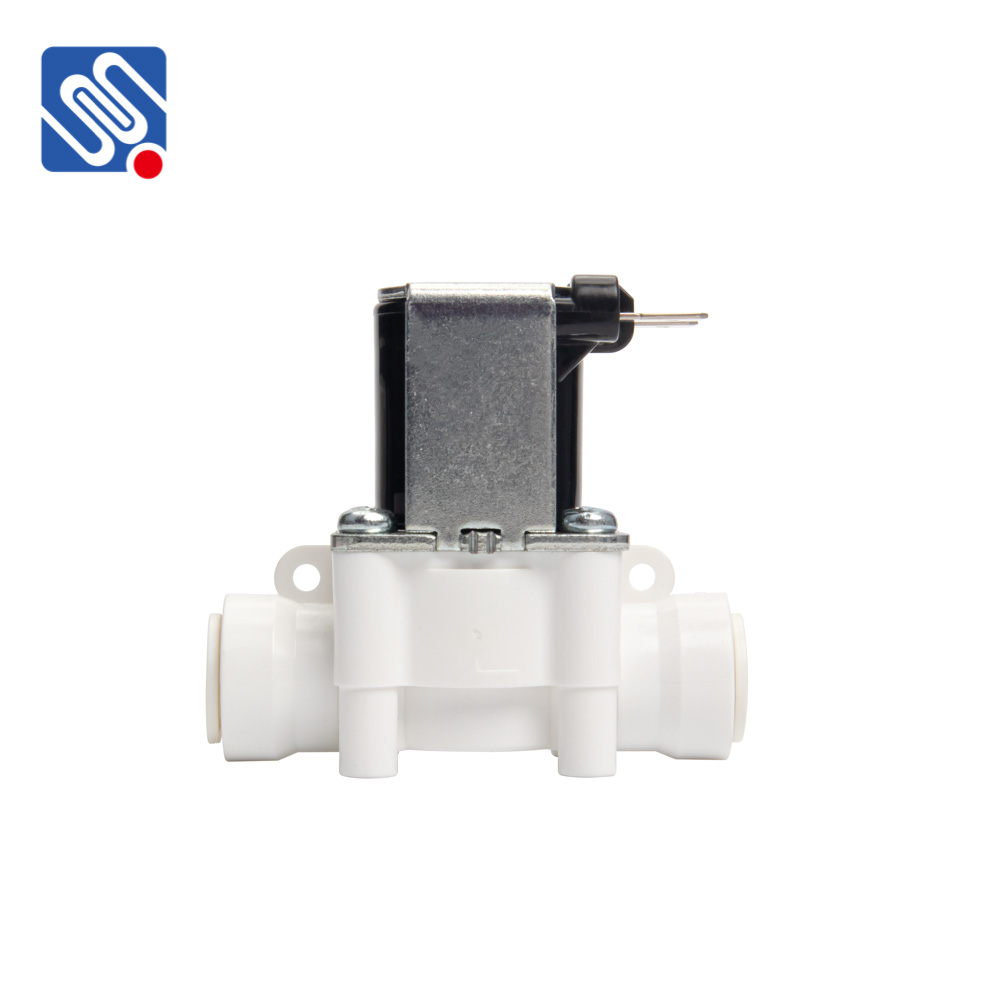
What is a Solenoid Valve? A solenoid valve is an electromechanical device that uses an electromagnetic coil to control the flow of liquids and gases. It consists of a valve body, a solenoid (the electromagnetic coil), and an armature. When electric current passes through the solenoid, it generates a magnetic field that either opens or closes the valve, allowing or stopping the flow of fluid. The solenoid valve can be actuated automatically by using control systems, making it ideal for automation. Mechanism of Action in Filtration Systems In filtration systems, solenoid valves are essential for automatically regulating fluid movement. They can be designed to either open or close in response to an electrical signal, controlling the supply of water or other fluids through different stages of the filtration process. For example, when the filtration media becomes saturated or requires cleaning, the solenoid valve can be triggered to divert flow, allowing maintenance activities to occur without manual intervention.